We independently research every topic and product mentioned on this page, drawing on publicly posted recall notices and manufacturer information. If you buy through a link here, Catverdict may earn a small commission — this never affects our picks or costs you anything extra. Details in our affiliate disclosure.
Bottom line: A cat food recall is announced when a batch of food is found (or suspected) to be contaminated, mislabeled, or otherwise unsafe. The fastest way to check if your bag or can is affected is to match its exact lot number and best-by date against the manufacturer’s recall notice or the FDA’s recall database — not just the brand name alone.
Curious how we evaluate and rank every pick on this page? See our How We Choose Our Picks.
Jump to a section
What Is a Cat Food Recall?
A recall happens when a manufacturer or the FDA identifies a safety problem with a specific production batch — most often bacterial contamination (like Salmonella), excess vitamin D, foreign material, or a labeling error that misstates an ingredient. Recalls are almost always limited to specific lot numbers and date ranges, not an entire product line, which is why checking the exact code on your bag or can matters more than just recognizing the brand name.
How to Check for a Current Cat Food Recall
Check the FDA’s Recall Database
The FDA maintains a public list of pet food recalls and safety alerts, searchable by brand and date. This is the most authoritative source, since it covers recalls the FDA has verified rather than relying on word-of-mouth or social media posts.
Check the Manufacturer’s Own Recall Page
Most major cat food brands keep a dedicated recall/safety-alert page listing affected lot numbers, UPC codes, and best-by dates. Compare that information directly against the printed code on your bag or can — a partial match (same brand, different lot) does not mean your food is affected.
Find the Lot Number and Best-By Date on Your Bag or Can
These codes are usually printed or stamped near the seam of a bag or the bottom of a can, often in a format combining letters and numbers. Keep the packaging (don’t throw it out) until you’ve confirmed it isn’t on an active recall list, in case you need it for a return or a vet visit.
Signs Your Cat’s Food May Be Affected
Vomiting, diarrhea, loss of appetite, or unusual lethargy shortly after a new bag or can is opened are the most commonly reported signs tied to contaminated food, though a cat can also show no symptoms at all even on an affected batch. Symptoms alone never confirm a recall — always cross-check the actual lot number, and contact your vet if your cat is showing any of these signs regardless of recall status.
What to Do If Your Food Is Recalled
Stop feeding the product immediately, store the remaining food and packaging (many recalls offer a refund and want the lot number), and watch your cat for symptoms over the following days. Contact your vet if your cat shows any signs of illness, and consider these two steps for managing the switch and reducing future risk:

A brand with a public, easy-to-search recall history page is worth favoring when switching foods after a recall — transparency about past issues is a reasonable proxy for how a brand will handle the next one.
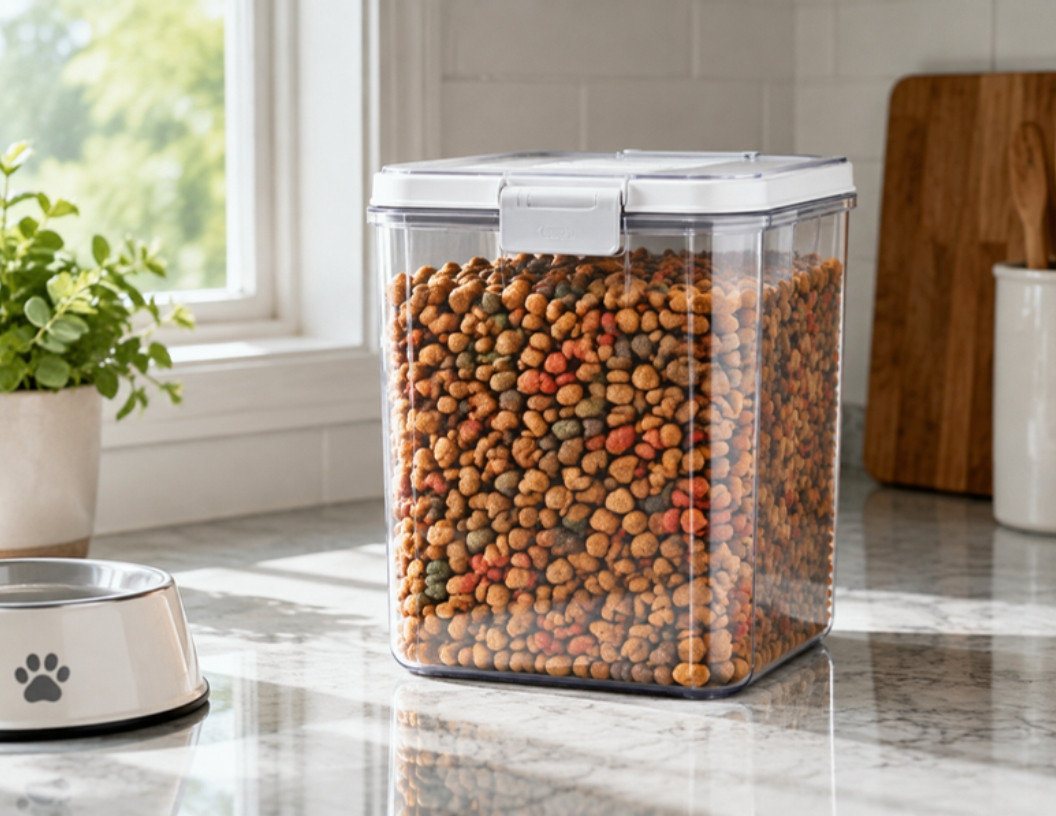
An airtight storage container with the bag’s label kept attached or taped on makes it much easier to find your lot number later, since loose kibble poured into a generic bin loses that code entirely.
Who should NOT buy this: skip if you already keep the original bag/can for the full time you’re feeding from it — the container is only useful if you preserve the label code somewhere.
Frequently Asked Questions
Are cat food recalls common?
They happen across the industry, affecting both budget and premium brands at different times — a recall history doesn’t automatically mean a brand is unsafe, but how publicly and quickly a brand discloses issues is worth paying attention to.
Should I throw away food just because the brand had a recall?
Not unless your specific lot number and best-by date match the recall notice. A recall on one batch doesn’t mean every bag of that product, or every product from that brand, is affected.
Can I get a refund for recalled cat food?
Many manufacturers offer a refund or replacement for confirmed recalled lots — check the brand’s recall notice for instructions, and keep your receipt and the packaging with the lot number until the claim is processed.
Looking to switch foods after a recall? See our full best cat food guide, including specialty and limited-ingredient options.
Research Disclaimer: This article is for informational purposes and was researched using publicly available recall notices and manufacturer information — it was not written by a veterinarian. Always check the FDA’s recall database and the manufacturer’s official notice directly, and contact your vet if your cat shows any symptoms of illness.