
We independently research every topic and product mentioned on this page, drawing on established veterinary and product-safety sources. This article is for general information only and isn’t a substitute for guidance from your own veterinarian. If you buy through a link here, Catverdict may earn a small commission — this never affects our picks or costs you anything extra. Details in our affiliate disclosure.
Bottom line: A total-release flea bomb (fogger) is generally considered unsafe to use around cats — most labels explicitly warn to remove pets, including fish and birds, and ventilate the home for hours afterward. Targeted, pet-safe flea treatments are the safer route for a cat-occupied home.
Curious how we evaluate and rank every pick on this page? See our How We Choose Our Picks.
Jump to a section
What Is a Flea Bomb?
A flea bomb, or total-release fogger, is an aerosol canister that fills an entire room or home with insecticide to kill fleas in carpets, furniture, and cracks all at once. It’s designed for an empty house, with every surface, dish, and food item covered or removed, and the home ventilated for a set period before anyone (human or pet) returns.
Why Flea Bombs Are Risky for Cats
Cats Are More Sensitive to Many Insecticides
Cats lack certain liver enzymes that help other animals process some insecticide ingredients, which is part of why products labeled safe for dogs (notably permethrin-based ones) can be dangerous or even fatal for cats. Fogger labels rarely distinguish between pet species in the fine print the way a targeted flea product does.
Residue Settles on Surfaces Cats Touch and Groom
Fogger particles settle on floors, furniture, and low surfaces, and cats groom themselves constantly — meaning they can ingest residue directly off their fur or paws well after the room looks and smells clear. This is a key reason product labels call for removing pets before use and keeping them out through the full re-entry window.
Whole-Room Coverage Isn’t Targeted
A fogger treats everywhere at once, including spots a cat spends the most time (beds, carpets, under furniture), rather than targeting the cat or specific problem areas the way a topical treatment or focused spray does.
Safer Options for a Cat-Occupied Home
Vet-recommended topical or oral flea preventives treat the cat directly with a cat-specific, tested dose, while a pet-safe household spray can target carpets and furniture without the whole-room aerosol exposure of a fogger.
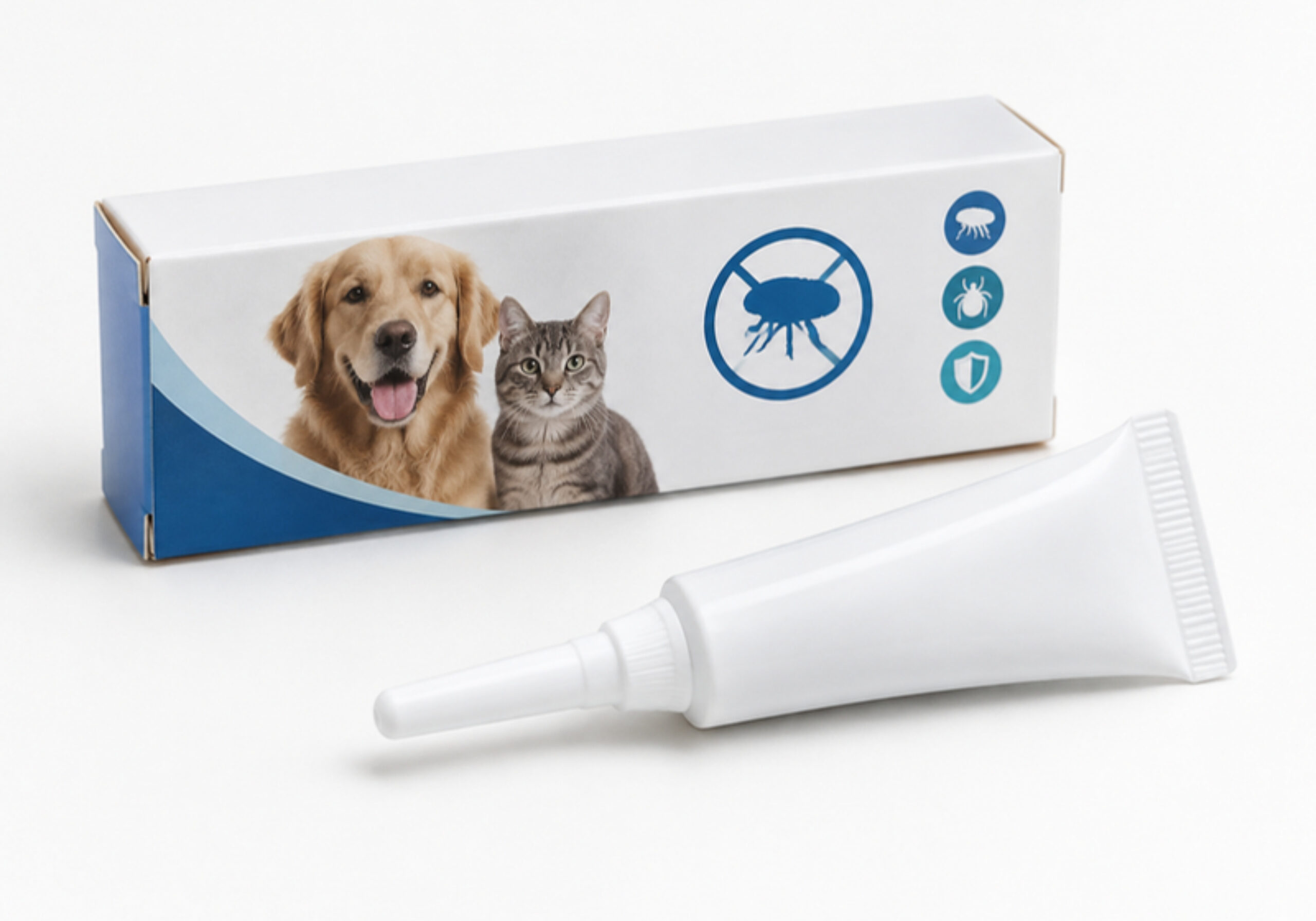
A cat-specific topical or oral flea preventive treats the source (fleas on the cat) directly, at a dose tested for feline safety — always check the label says “for cats,” since dog formulas can be dangerous.
Who should NOT buy this: check with your vet first for kittens, pregnant/nursing cats, or cats with existing health conditions, since age and weight limits vary by product.
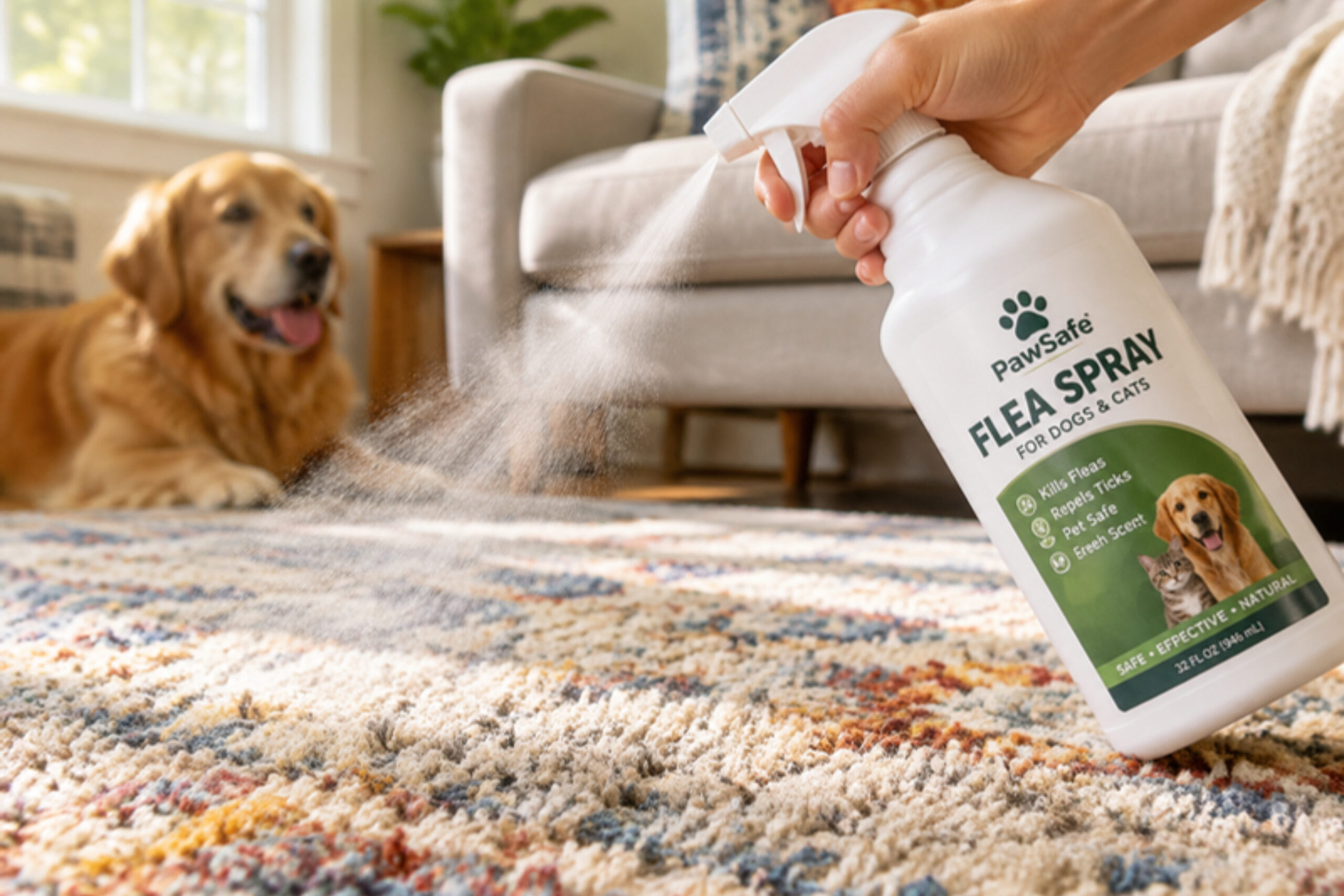
A pet-safe household flea spray for carpets, rugs, and furniture tackles the environment without filling the whole room with aerosol — useful alongside a direct cat treatment rather than instead of one.
If Your Cat Was Exposed
If a cat was in a home during or shortly after a flea bomb application, watch for drooling, vomiting, tremors, difficulty breathing, or unusual lethargy, and contact your vet or an animal poison control hotline right away if you see any of these signs — don’t wait to see if they pass on their own.
Frequently Asked Questions
Is any flea bomb safe for cats if I follow the label?
Most fogger labels already require removing pets before use and keeping them out for a set ventilation period — “safe for cats” generally isn’t a claim fogger products make at all, which is itself a signal to use a targeted alternative instead.
How long should cats stay out of a room after a flea bomb?
Follow the specific product’s label exactly — re-entry times vary by formula. Many labels also recommend airing out the space and wiping down surfaces pets will contact before letting animals back in.
Can I use a dog flea product on my cat instead of a fogger?
No — never use a dog-labeled flea product on a cat. Some common dog flea ingredients (notably concentrated permethrin) are highly toxic to cats, even in small amounts. Always use a product labeled specifically for cats.
For more on parasite prevention options, see our full cat health care guide, including deworming medications.
Research Disclaimer: This article is for informational purposes and was researched using publicly available veterinary and product-safety information — it was not written by a veterinarian. If your cat shows any symptoms after exposure to an insecticide, contact your vet or an animal poison control hotline immediately.