We independently research every topic we cover, drawing on established feline nutrition sources, product specs, and real owner experience. If you buy through a link on this page, Catverdict may earn a small commission — this never affects our picks or costs you anything extra. Details in our affiliate disclosure. This article is for general information and isn’t a substitute for advice from your own veterinarian.
Can cats eat cheese? In small amounts, most cats can have a tiny bite without an immediate problem, but cheese isn’t a food cats are built to digest well. Most adult cats are at least somewhat lactose intolerant, so cheese is better treated as an occasional, careful exception than a regular treat.
Table of Contents
| Quick answer | A tiny bite is usually fine; cheese isn’t safe as a regular food since most adult cats are lactose intolerant |
| Normal? | An occasional small taste is low-risk for most cats; frequent or large amounts often cause digestive upset |
| Watch for | Vomiting, diarrhea, or gas within a few hours — skip cheese for that cat going forward |
Is Cheese Safe for Cats?
Why Many Cats Are Lactose Intolerant
Kittens produce the enzyme lactase to digest their mother’s milk, but most cats produce far less of it after weaning — which means the lactose in dairy products, including cheese, often isn’t digested well in adulthood. This is why cheese (and milk) can cause stomach upset in cats even though it isn’t toxic in the way some human foods are.
How Much Cheese Is Safe, If Any
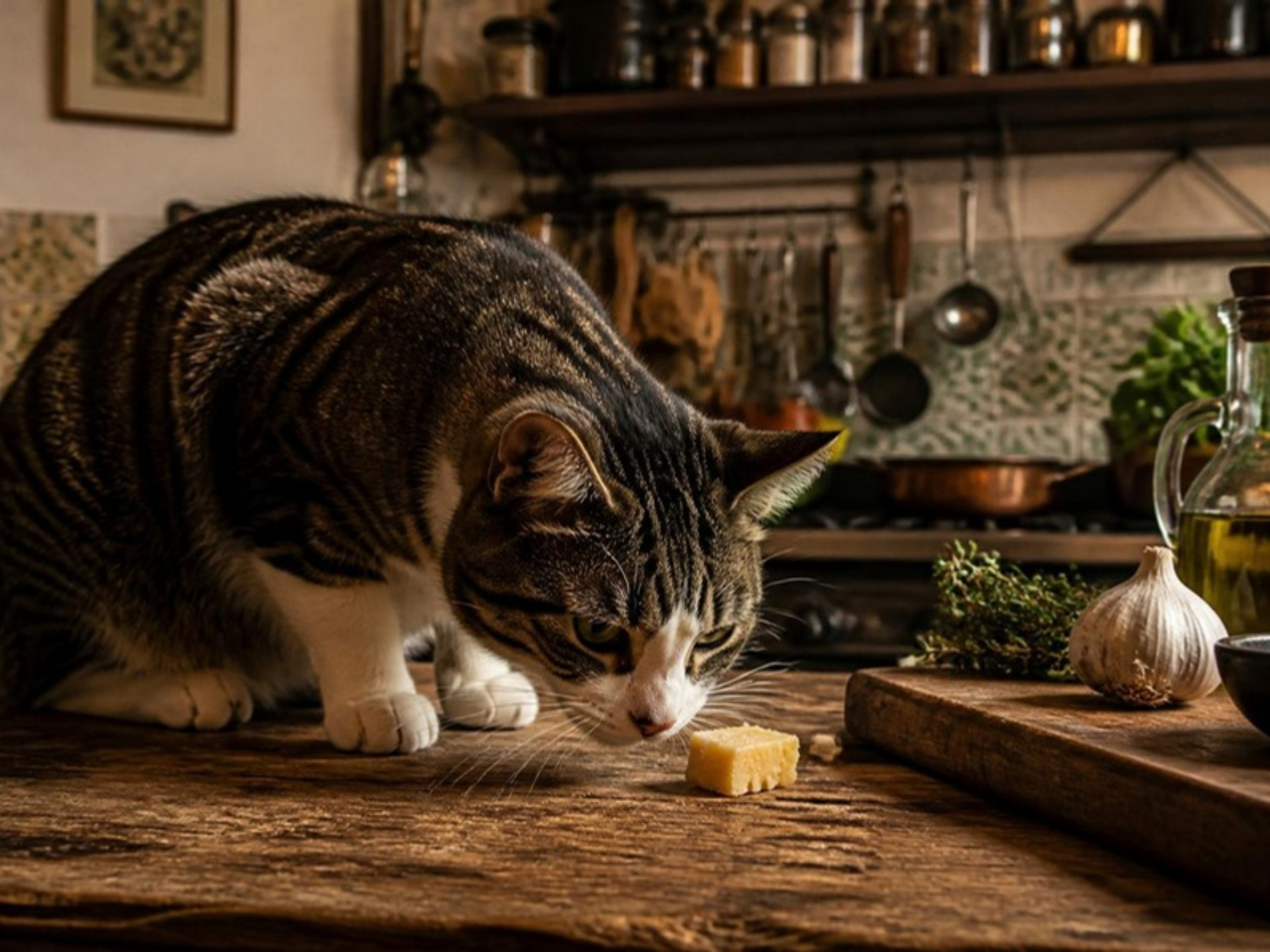
If you want to offer cheese at all, a pea-sized piece on rare occasions is a reasonable upper limit for most adult cats — not a daily or even weekly habit. Hard, low-lactose cheeses (like a small amount of aged cheddar or Parmesan) tend to sit better than soft, high-lactose cheeses like cream cheese or ricotta. Cheese also tends to be high in fat and sodium relative to a cat’s needs, which is a separate reason to keep any amount small and infrequent.
Signs Your Cat Had Too Much Cheese
Watch for vomiting, diarrhea, loose stool, or noticeable gas within a few hours of eating cheese — these are the classic signs of lactose intolerance rather than anything more serious in most cases. If you see any of these, it’s a clear signal that particular cat shouldn’t have cheese again, even in small amounts.
What to Do If Your Cat Eats Too Much Cheese
For most cats, mild digestive upset from cheese resolves on its own within a day — withhold treats, keep fresh water available, and let the regular diet settle things. Contact your vet if vomiting or diarrhea continues past 24 hours, if your cat seems lethargic or stops eating normally, or if a cat with a known health condition (like pancreatitis or a dairy allergy rather than simple intolerance) gets into cheese unexpectedly.
Cat-Safe Treat Alternatives to Cheese
If your cat begs for cheese purely for the attention and routine of getting a treat, a lactose-free cat treat gives the same bonding moment without the digestive risk. Freeze-dried meat treats (chicken, salmon) are another good swap — most cats find them just as rewarding, with none of the lactose.



Frequently Asked Questions
Can kittens eat cheese?
It’s best to avoid cheese for kittens. Even though young kittens produce more lactase than adult cats, their digestive systems are more sensitive overall, and cheese offers nothing nutritionally that a proper kitten food doesn’t already provide.
Is any type of cheese safer for cats than others?
Hard, aged cheeses like cheddar or Parmesan tend to have lower lactose content than soft cheeses like cream cheese, cottage cheese, or ricotta, which makes them a somewhat better choice if you’re offering any at all. None are something to feed regularly.
Why do cats seem to beg for cheese if it’s bad for them?
Cheese is high in fat and often salty, which many cats find appealing by smell and taste alone — it isn’t a sign their body actually needs it. The same instinct that draws cats to fatty, savory human foods doesn’t account for how poorly many of them handle the lactose.
For more on what else is and isn’t safe to share from your plate, see our best cat food guide for diet basics that don’t carry the same risk.