We independently research every topic we cover, drawing on established feline behavior sources and real owner experience. This article is for general information and isn’t a substitute for advice from your own veterinarian.
Cat zoomies — the sudden sprints, wall-bouncing, and mad dashes around the house for no obvious reason — are one of the most common cat behaviors, and one of the most misunderstood. They look chaotic, but they’re almost always a completely normal way for a cat to burn off built-up energy, not a sign that something is wrong.
Table of Contents
| Quick answer | Short bursts of random, high-energy running and jumping — a normal way cats release energy |
| Normal? | Yes — most cats get zoomies regularly, especially kittens and young adult cats |
| Watch for | Zoomies paired with limping, straining, or distress right after the litter box — worth mentioning to a vet |

What Are Cat Zoomies?
Veterinary behaviorists have a technical name for zoomies: Frenetic Random Activity Periods, or FRAPs. The term describes exactly what it sounds like — a short, intense burst of sprinting, pouncing, and sometimes yowling that starts (and stops) with no obvious trigger. A typical episode lasts anywhere from a few seconds to a couple of minutes, often ending with the cat flopping down as if nothing happened.
Zoomies are especially common in kittens and young cats, but cats of any age can get them. They’re considered a normal expression of a cat’s natural hunting and running instincts, not a behavioral problem to correct.
Why Do Cats Get Zoomies? 5 Common Causes
1. Pent-Up Energy and Low Daytime Activity
Indoor cats, especially ones left alone for long stretches, often build up energy with nowhere to spend it. Without regular play sessions, that stored-up energy tends to come out all at once — usually as a sudden sprint through the house.
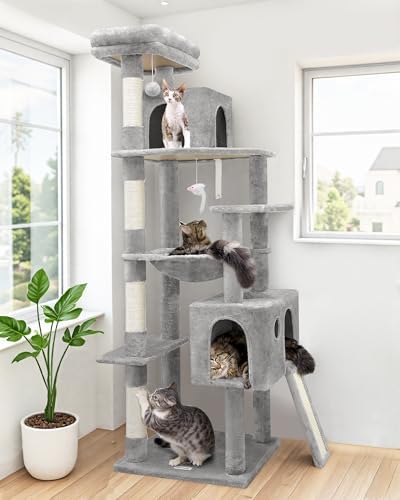
- ENLARGED HAMMOCK – This cat tree is Equipped with a sturdy and spacious square hammock, this large cat tree tower offers…
- SPACIOUS AND COMFORTABLE CAT CONDO – This cat tower provides a spacious cat condo that allows cats to rest, hide, or pla…
- SISAL ROPE SCRATCHING POST – The cat tower with 4 scratching posts and a scratching board is meticulously lined with dur…
2. Post-Litter-Box Release
Many cats bolt out of the litter box and immediately take off running. Theories range from relief at feeling lighter, to an instinctive urge to put distance between themselves and a vulnerable moment (in the wild, using the bathroom can expose a cat’s scent to predators), to simply a release of nervous energy. It’s extremely common and, on its own, nothing to worry about.
3. Crepuscular Instincts (Dawn and Dusk Energy Bursts)
Cats are crepuscular, meaning they’re biologically wired to be most active at dawn and dusk — prime hunting hours for their wild ancestors. Zoomies often cluster around early morning or early evening simply because that’s when a cat’s internal clock says it’s time to move.
4. Stress or Overstimulation Release
A burst of running can also be how a cat shakes off built-up stress or overstimulation — for example, after a vet visit, a loud noise, or an intense petting session that went on a little too long. This type of zoomies tends to be a one-off tied to a specific event, rather than a daily pattern.

- COMFORT YOUR CAT AT HOME AND ON THE GO: FELIWAY Classic Spray helps target areas marked by your cat through scratching a…
- MAKE TRAVEL LESS STRESSFUL: FELIWAY Classic Spray works by releasing calming pheromones, when sprayed directly into the …
- CALMS YOUR CAT AT HOME: When sprayed directly on areas marked by your cat, FELIWAY Classic Spray helps promote calm and …
5. Catnip and Play-Induced Excitement
Catnip, silvervine, and high-energy play with a wand toy can all trigger a FRAP almost on demand. The excitement of a hunting-style game builds up adrenaline, and zoomies are often how that energy works its way out once the toy gets put away.

- 【24 Pack Cat Chew Toys】Silvervine and gall fruit contain kiwifruit alkaloids and resveratrol,This scent is very attracti…
- 【Natural Silvervine Sticks】Our cat chew toys are made from natural silvervine,lafite grass, sisal rope and gall fruit (f…
- 【Promote Oral & Dental Health】 Cat chew toy can clean and grind their teeth while eating silvervine for cats,Silvervine …

Are Zoomies Normal, or Could They Mean Something Else?
For the vast majority of cats, zoomies are completely harmless and don’t need any kind of intervention. That said, a few patterns are worth mentioning to a vet rather than writing off as “just zoomies”: sudden, frantic running paired with limping or favoring a leg; distress or vocalizing right after using the litter box (which can point to a urinary issue rather than relief); or a noticeable increase in frequency or intensity with no clear trigger, especially in an older cat. On their own, occasional bursts of running are not a health concern — they’re simply part of being a cat.
How to Manage Zoomies at Home
You don’t need to stop zoomies — they’re a normal release valve — but a few habits can keep them from turning into 3 a.m. wake-up calls or knocked-over lamps.
- Add a daily play session: 10–15 minutes with an interactive wand toy before bed can burn off the exact energy that would otherwise fuel a middle-of-the-night sprint.
- Use puzzle feeders: making a cat “work” for part of its food channels energy into a low-key activity throughout the day instead of letting it all build up.
- Clear a safe running path: move breakable items off narrow hallways or counters cats tend to use as a sprint lane.
- Keep a consistent routine: predictable feeding and play times reduce the stress-driven version of zoomies.
- Don’t punish it: yelling or chasing a cat mid-zoomies usually adds excitement rather than calming things down — it’s easier to redirect the energy with a toy than to stop the behavior outright.


For more ideas on keeping an indoor cat active and entertained, see our guide to cat toys and gear.
Frequently Asked Questions
Is it normal for cats to get zoomies every day?
Yes, especially in kittens and young adult cats. Daily zoomies usually just mean a cat has energy to spare — if anything, it’s a sign of good health rather than a problem.
Why do cats get zoomies right after using the litter box?
This is one of the most common zoomies triggers and is considered normal. It’s thought to be a mix of relief, instinctive distancing from a vulnerable moment, and general nervous energy. It only becomes a concern if it’s paired with straining, crying out, or very frequent litter box trips, which can point to a urinary issue.
Do kittens get zoomies more than adult cats?
Generally, yes. Kittens and young cats have more energy and less control over impulses, so zoomies tend to be more frequent and more intense. Most cats naturally calm down somewhat with age, though plenty of adult cats still get the occasional burst.