We independently research every topic we cover, drawing on established veterinary and pest-control sources. This article is for general information and isn’t a substitute for advice from your own veterinarian.
If you’re dealing with a flea problem and wondering does bleach kill fleas, the short answer is: it isn’t worth testing on your cat. Bleach is a harsh chemical that can seriously harm a cat’s skin, eyes, and lungs, and it isn’t an effective or targeted flea treatment anyway. Here’s why it’s not safe, which other “home remedy” fixes actually have any merit, and what’s worth using instead.
Table of Contents
| Quick answer | No — bleach isn’t a safe or effective flea treatment for cats |
| Safe to use? | No — bleach can irritate or burn skin, eyes, and airways |
| Watch for | Drooling, pawing at the mouth/eyes, vomiting, or breathing trouble after any chemical exposure — call a vet or animal poison control immediately |
Does Bleach Kill Fleas on Cats?
Bleach can kill fleas on contact in a lab sense — it’s a strong oxidizing disinfectant that destroys organic tissue — but that’s exactly why it’s not something to put anywhere near a cat’s skin. It isn’t formulated or tested as a flea treatment, it doesn’t reach fleas and eggs hiding in fur and bedding the way a proper treatment does, and the concentration needed to actually affect fleas is also harmful to your cat. In short: technically caustic enough to harm fleas, but never an appropriate or safe way to treat one.
Why You Should Never Use Bleach on a Cat
Bleach is corrosive and can cause chemical burns on skin, severe eye irritation, and respiratory distress if inhaled or licked off during grooming — and cats groom themselves constantly, so any residue is almost guaranteed to be ingested. The ASPCA lists household bleach among common toxic exposures for pets. If a cat has already come into contact with bleach, rinse the area with plenty of lukewarm water and contact a vet or an animal poison control hotline right away rather than waiting to see if symptoms appear.
Other Home Remedies People Try — Do They Work?
Bleach isn’t the only household product people reach for when they’re trying to avoid a trip to the store. Here’s how a few of the most common ones stack up.
Rubbing Alcohol
Like bleach, rubbing alcohol can affect fleas on contact, but it’s also a skin irritant and is toxic to cats if absorbed through the skin or ingested during grooming. It’s not recommended as a flea treatment for the same reason bleach isn’t: the risk to the cat outweighs any flea-killing effect.
Tea Tree Oil
Tea tree oil is genuinely dangerous for cats, even in small amounts — it’s one of the more common essential-oil toxicities vets see, and it offers no reliable flea control benefit to justify the risk. This one isn’t a “use carefully” situation; it’s one to avoid entirely on or around cats.
Dish Soap
Plain dish soap can physically drown adult fleas during a bath by breaking the surface tension of water, which is why some owners use it as a stopgap. It doesn’t kill eggs or larvae in the environment, and frequent use can dry out a cat’s skin, so it’s best treated as an occasional assist rather than a flea control plan on its own.
The Dryer and Heat
Running bedding, blankets, and washable cat items through a hot dryer cycle is genuinely useful — high heat kills fleas and eggs in fabric, making it one of the few “home remedy” steps worth doing. It only addresses items that go through the dryer, though, so it’s a helpful supplement to treatment, not a substitute for it.
What Actually Works to Kill Fleas on Cats
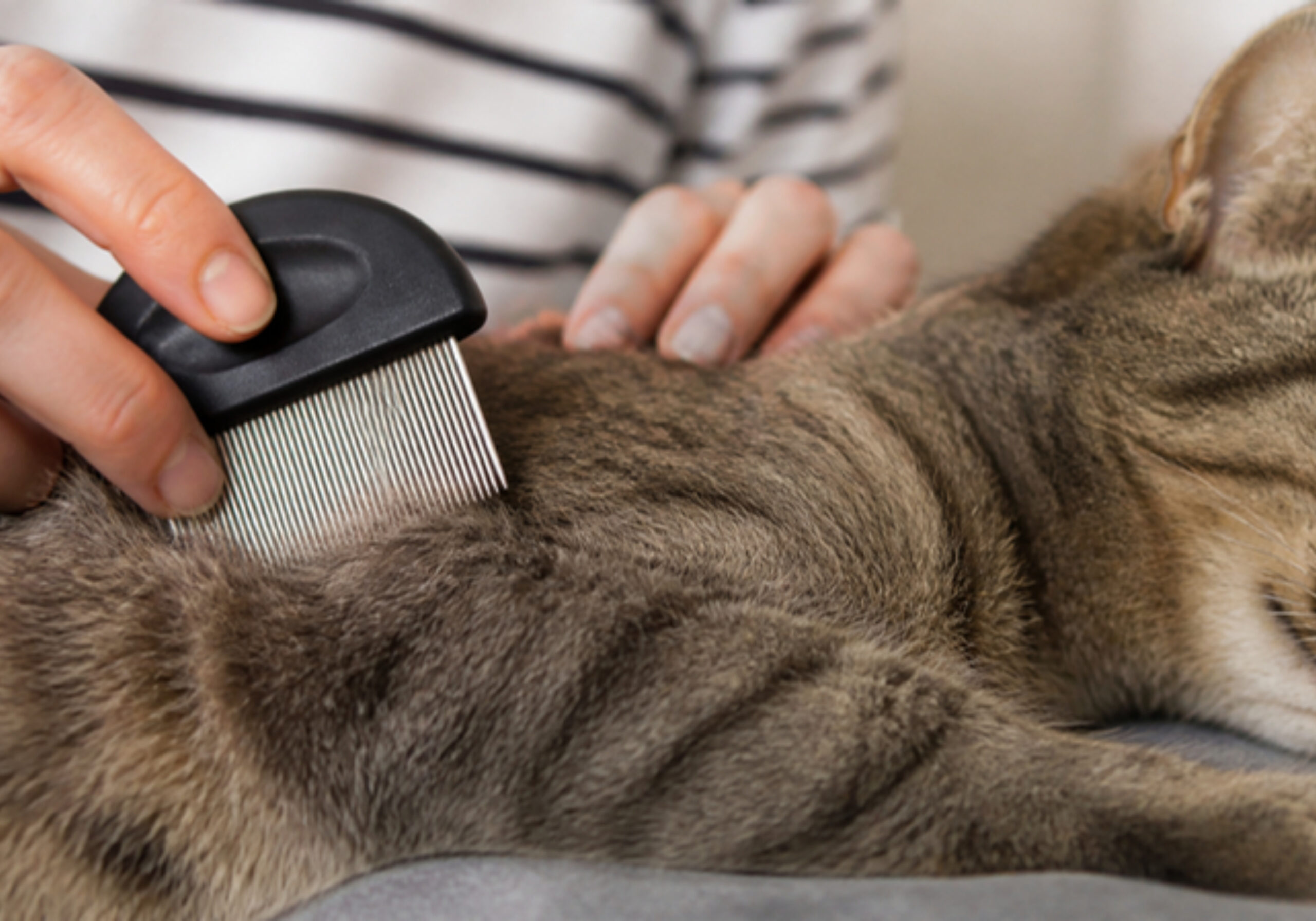
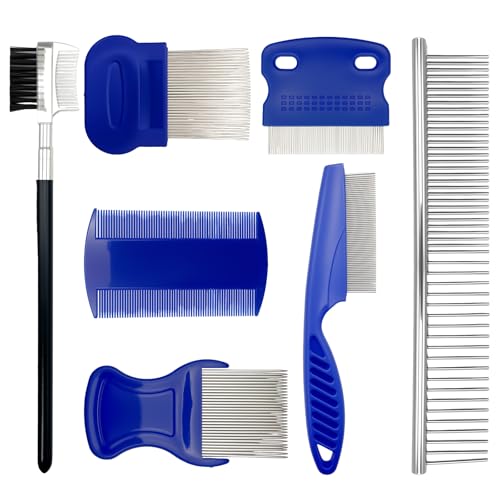
A real flea infestation needs a treatment that’s actually formulated for cats and addresses the whole life cycle — adults, eggs, and larvae both on the cat and in the home. A vet can recommend a topical or oral flea preventive appropriate for your cat’s age, weight, and health, which is far more effective (and safer) than any household chemical. Regular flea combing helps you monitor an active infestation and physically remove adult fleas between treatments.


Washing bedding on hot, vacuuming frequently (and disposing of the bag or canister contents outside), and treating every pet in the household at the same time all help stop reinfestation. See our cat health hub for more on keeping up with preventive care.
Fleas on Humans and In Your Home
Cat fleas can bite people — usually around the ankles and lower legs — but they can’t live or reproduce on human skin the way they do on a cat’s fur, so a human bite is an irritation rather than an infestation risk to you personally. The real fix is treating the pet and the home environment (carpets, pet bedding, furniture) rather than anything applied to a person.
Frequently Asked Questions
Can fleas kill a cat?
In severe, untreated infestations — especially in kittens, senior cats, or cats with other health issues — heavy flea loads can cause dangerous blood loss (anemia) and fleas can transmit other parasites. It’s uncommon with prompt treatment, but a heavy infestation is a reason to see a vet rather than rely on home remedies alone.
What’s the difference between fleas and lice?
Fleas are fast-moving, jumping insects visible against the skin, while lice are slower-moving and tend to stay attached near the base of the fur. Both cause itching, but they’re treated differently, so a vet exam or a close look with a flea comb helps confirm which one you’re actually dealing with.
Does Lysol or Pine-Sol kill fleas?
Both are household disinfectants, not flea treatments, and both are toxic to cats — Pine-Sol in particular is dangerous for cats even at low exposure. Neither should ever be applied to a cat or used as a flea-control strategy; stick to products made and labeled for flea control on pets.