We independently research every topic we cover, drawing on established feline behavior sources and real owner experience. This article is for general information and isn’t a substitute for advice from your own veterinarian.
Cats lick their owners mainly as a sign of affection and bonding — the same “allogrooming” behavior they use with other cats they trust. It can also mean they’re seeking attention, tasting salt on your skin, mimicking a habit from kittenhood, or occasionally signaling stress. A lick here and there is completely normal; sudden or obsessive licking is worth a closer look.
Table of Contents
| Quick answer | Mostly affection & bonding (allogrooming) — can also mean attention-seeking, taste, or stress |
| Normal? | Yes, occasional gentle licking is healthy and common |
| Watch for | Sudden, obsessive, or skin-irritating licking — or licking paired with hiding/appetite loss |

7 Reasons Cats Lick Their Owners
1. Affection and Bonding (Allogrooming)
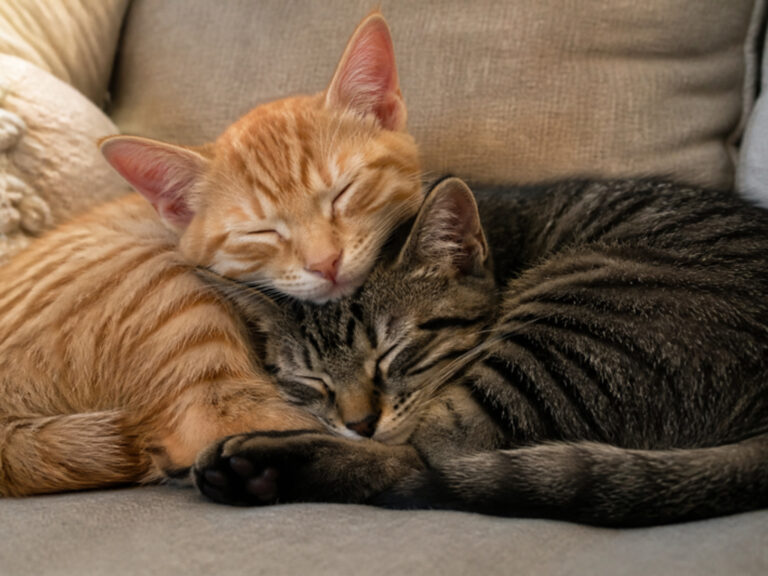
In cat colonies, cats groom each other to reinforce social bonds — it’s called allogrooming, and it’s reserved for cats they trust. When your cat licks you, it’s often extending that same behavior to you as a member of its social group. A slow lick on the hand or face is usually a genuine sign of affection.
2. Marking You With Their Scent
Cats have scent glands in their mouths and on their tongues. Licking deposits a small amount of their scent on you, which functionally “marks” you as part of their territory — similar to how they rub their cheeks against furniture or your legs.
3. They Like the Taste of Your Skin
Human skin carries salt from sweat, along with traces of whatever lotion, food, or scented products you’ve touched. Cats’ tongues are covered in tiny, backward-facing barbs called papillae that are excellent at picking up flavor and texture — some cats simply find your skin interesting to lick.
4. Seeking Attention
If licking consistently gets a reaction from you — petting, talking, picking them up — your cat may have learned that it’s an effective way to get your attention, especially around mealtimes or when you’ve been busy and less interactive than usual.
5. A Leftover Habit From Kittenhood
Kittens are groomed constantly by their mothers, and licking is tied up with comfort, feeding, and security from a very early age. Cats weaned too early, in particular, sometimes carry this behavior into adulthood and direct it toward their owners as a substitute for their mother.
6. Stress or Anxiety
Licking and grooming can be self-soothing behaviors for cats, similar to how some people bite their nails when anxious. A cat that licks you (or itself) more than usual during a stressful period — a move, a new pet, a change in routine — may be using licking to cope.
7. Reciprocal Grooming — They Want You to Groom Them Back
Allogrooming between cats is usually a two-way exchange. If your cat licks you and then presents its head or leans into your hand afterward, it may be inviting you to pet or “groom” it in return.

Is My Cat’s Licking a Problem?
Occasional, gentle licking is a normal and healthy part of how cats bond with their people. It becomes worth paying attention to when it changes in frequency or intensity — for example, if your cat starts licking so hard it irritates your skin, licks obsessively for long stretches, or the behavior appears suddenly alongside other changes like hiding, appetite loss, or over-grooming itself (bald patches, raw skin). Those patterns can point to pain, allergies, or an anxiety-related compulsive disorder, and are worth a vet visit rather than something to redirect on your own.
How to Redirect Excessive Licking
- Give it an outlet: offer a lick mat or a soft toy the cat can lick instead of your skin.
- Don’t punish it: pulling away sharply or scolding can create anxiety and make the behavior worse, not better.
- Redirect gently: calmly move your hand away and offer a toy or a scratch under the chin instead.
- Keep a routine: consistent feeding and play times reduce the stress-driven licking that can come from an unpredictable schedule.
- Rule out skin issues: if your cat licks one specific spot on you repeatedly, check that area isn’t lightly scented with lotion, food residue, or anything else attracting them.
Frequently Asked Questions
Why does my cat lick me then bite me?
This is often “overstimulation” — the licking felt good at first, but repeated touch becomes too much, and the bite is a cat’s way of saying “that’s enough.” It can also happen during play when excitement builds. Watch for early cues like tail flicking or skin twitching, and stop before the bite.
Does cat licking mean they love you?
It’s one of the strongest signals of trust and affection a cat can give, since allogrooming is normally reserved for cats they consider family. It’s not the only way cats show love, but it’s a meaningful one.
Is it safe to let my cat lick me?
Occasional licking on intact skin is generally safe. Avoid letting cats lick open cuts, scratches, or areas with lotion, medication, or essential oils on them, since some common products are toxic if ingested by cats.
If your cat’s licking seems connected to stress or a bigger behavior shift, our cat health care guide covers when it’s time to loop in your vet.