We independently research every topic we cover, drawing on established veterinary sources and real owner experience. This article is for general information only, isn’t diagnostic, and isn’t a substitute for an exam from your own veterinarian.
Feline hyperesthesia syndrome (sometimes called “rolling skin syndrome”) causes episodes of rippling skin along the back, sudden frantic grooming or tail-chasing, and apparent sensitivity to touch along the spine. It’s not fully understood — vets debate whether it’s primarily neurological, behavioral, or pain-related — but it’s uncommon enough, and similar enough to other conditions, that it always warrants a vet visit rather than a guess at home.
Table of Contents
| Needs a vet? | Yes — needed to rule out other causes and discuss management |
| Main signs | Rippling back skin, frantic grooming/tail-chasing, sensitivity along the spine |
| Well understood? | No — exact cause is still debated among vets and researchers |

What Is Feline Hyperesthesia Syndrome?
Symptoms of a Hyperesthesia Episode
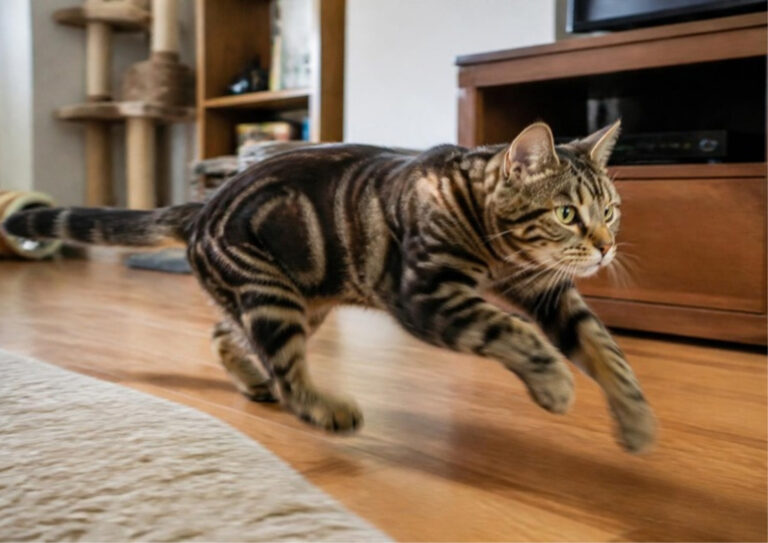
An episode typically includes visible rippling or twitching of the skin along the lower back, sudden intense grooming or biting at the flank or tail base, dilated pupils, and sometimes vocalizing or running around as if startled. Episodes tend to be brief — often just seconds to a couple of minutes — and the cat usually seems normal immediately afterward, which can make it easy to dismiss as odd behavior rather than something worth mentioning to a vet.
What Might Trigger an Episode
Reported triggers vary and aren’t consistent across cats — some owners notice episodes around being petted near the lower back or tail, during stressful moments, or with no obvious trigger at all. Because the underlying cause isn’t settled, no single trigger list applies to every cat, which is part of why a vet’s individualized assessment matters more than general advice here.
Conditions That Can Look Similar
Flea allergy dermatitis, anal gland issues, spinal pain, seizure disorders, and certain compulsive behaviors can all produce symptoms that look like a hyperesthesia episode from the outside. This is exactly why a vet exam (and sometimes bloodwork, a skin check, or imaging) comes before assuming hyperesthesia syndrome is the explanation — ruling out a treatable underlying cause matters more than naming the behavior.
When to See a Vet
See a vet the first time you notice this kind of episode, and definitely if it becomes frequent, intensifies, or includes excessive self-biting that causes skin damage or hair loss. A vet visit is also the only way to rule out flea allergies, spinal issues, or a seizure disorder, all of which need different management than hyperesthesia syndrome itself.
How It’s Typically Managed
Management is individualized and usually starts with addressing anything identified during the vet exam — flea prevention if fleas are found, pain management if a spinal or muscular cause is suspected, or stress-reduction strategies if anxiety appears to play a role. Reducing environmental stress (consistent routine, enough enrichment, minimizing conflict with other pets) is a commonly recommended general step alongside whatever specific treatment your vet prescribes. Follow your vet’s specific plan rather than any general guidance here, since the right approach depends on what’s actually driving your cat’s episodes.

- REDUCE URINE MARKING & SCRATCHING: Over 95% of households experience reductions after 1 month; Most cats show improved b…
- CALMING PHEROMONES FOR CATS: This cat calming pheromone diffuser creates a soothing space for your cat, promoting a feel…
- 3 ROOMS 60 DAYS OF CALM: This kit includes three diffusers and three cat calming refills; Place the diffusers in your ca…
Frequently Asked Questions
Is feline hyperesthesia syndrome painful?
It isn’t fully clear — some researchers believe episodes may involve a degree of discomfort or heightened sensitivity along the spine, while others frame it as more behavioral or compulsive. This uncertainty is itself a reason to have a vet evaluate your specific cat rather than assuming either way.
Which cats are most prone to it?
It’s considered uncommon overall, with some reports suggesting it appears more often in certain breeds like Siamese, Abyssinian, and Burmese cats, though it can occur in any cat.
Is it curable?
There’s no single cure since the cause isn’t definitively established, but many cats see significant improvement with a management plan that addresses stress, any underlying medical contributor found on exam, and consistent monitoring over time.
For more on reading unusual feline behavior, see our complete cat health care guide.