We independently research every product we recommend, drawing on real owner reviews, product specs, and vet-reviewed sources. If you buy through a link on this page, Catverdict may earn a small commission — this never affects our picks or costs you anything extra. Details in our affiliate disclosure.
With all the variety out there, cat colors actually boil down to surprisingly few genetic building blocks — just two base pigments, a handful of modifier genes, and a separate set of genes that decide the pattern layered on top. Once you understand those pieces, every coat from a solid black cat to a multicolored calico makes a lot more sense. Here’s how cat coloring and fur patterns actually work, and which combinations are common versus genuinely rare.
Table of Contents
Cat Colors Overview
| Base Pigments | Only two — black (eumelanin) and orange/red (pheomelanin) |
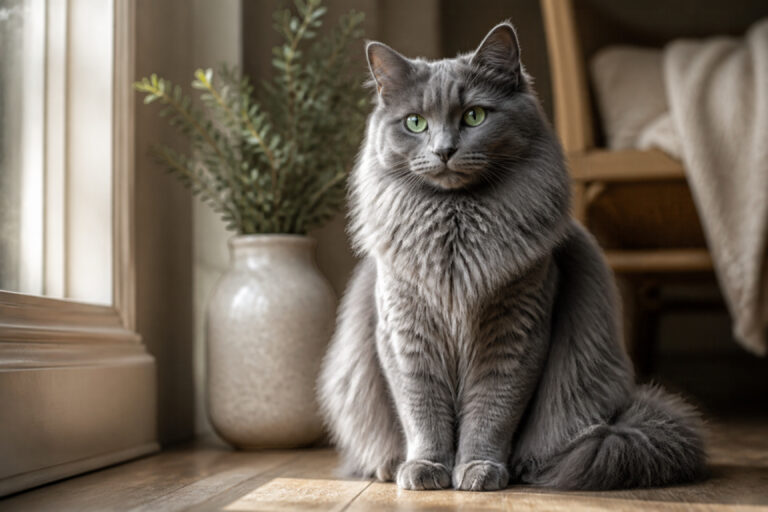
| Dilution Effect | Black → blue/grey; Orange → cream |
| Most Common Pattern | Tabby (the ancestral wild-type pattern) |
| Sex-Linked Color | Orange — carried on the X chromosome |
| Rarest Colors | Chocolate, cinnamon, and true solid white with non-blue eyes |
| White Coat Cause | A separate masking gene, not a color itself |
The Two Base Pigments: Black vs. Orange
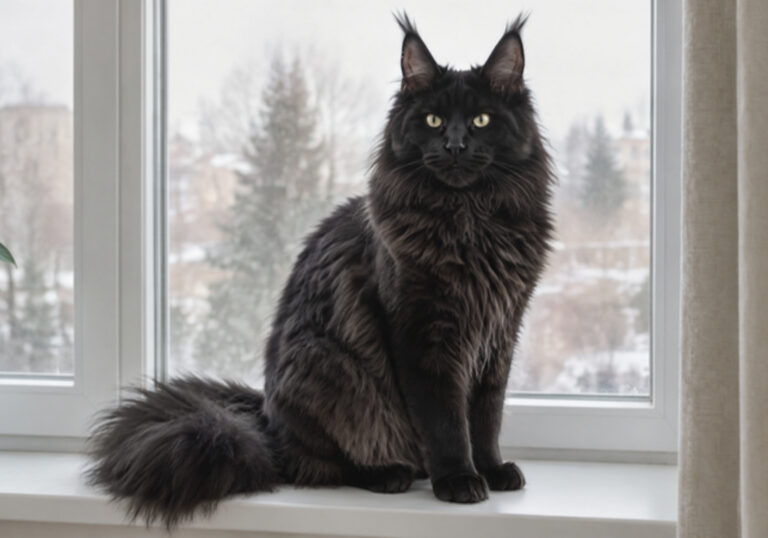
Every cat coat color starts from just two pigments: eumelanin (black) and pheomelanin (orange/red). Which one a cat produces is controlled by the orange gene, located on the X chromosome. A cat’s base color — before any dilution or pattern is layered on — is either black-based or orange-based; there’s no third base pigment. Everything else you see, from chocolate to cream to blue, is a variation built on top of one of these two starting points.
Dilution: How Black Becomes Blue and Orange Becomes Cream
A separate recessive “dilute” gene can lighten either base pigment by spreading the color granules more unevenly along each hair shaft. A cat needs two copies of this gene to show the diluted color:
| Base Color | Diluted Version |
|---|---|
| Black | Blue (commonly called “grey”) |
| Orange/Red | Cream |
Additional genes can modify the base pigment even further to produce chocolate and cinnamon (lighter-brown variants of black) and their own dilutes, fawn and lilac — these are genuinely uncommon and mostly show up in specific breeds like the Havana Brown or Abyssinian rather than in random-bred cats.
Cat Fur Patterns Explained
Color is only half the picture — a separate set of genes decides the pattern layered on top of that color:
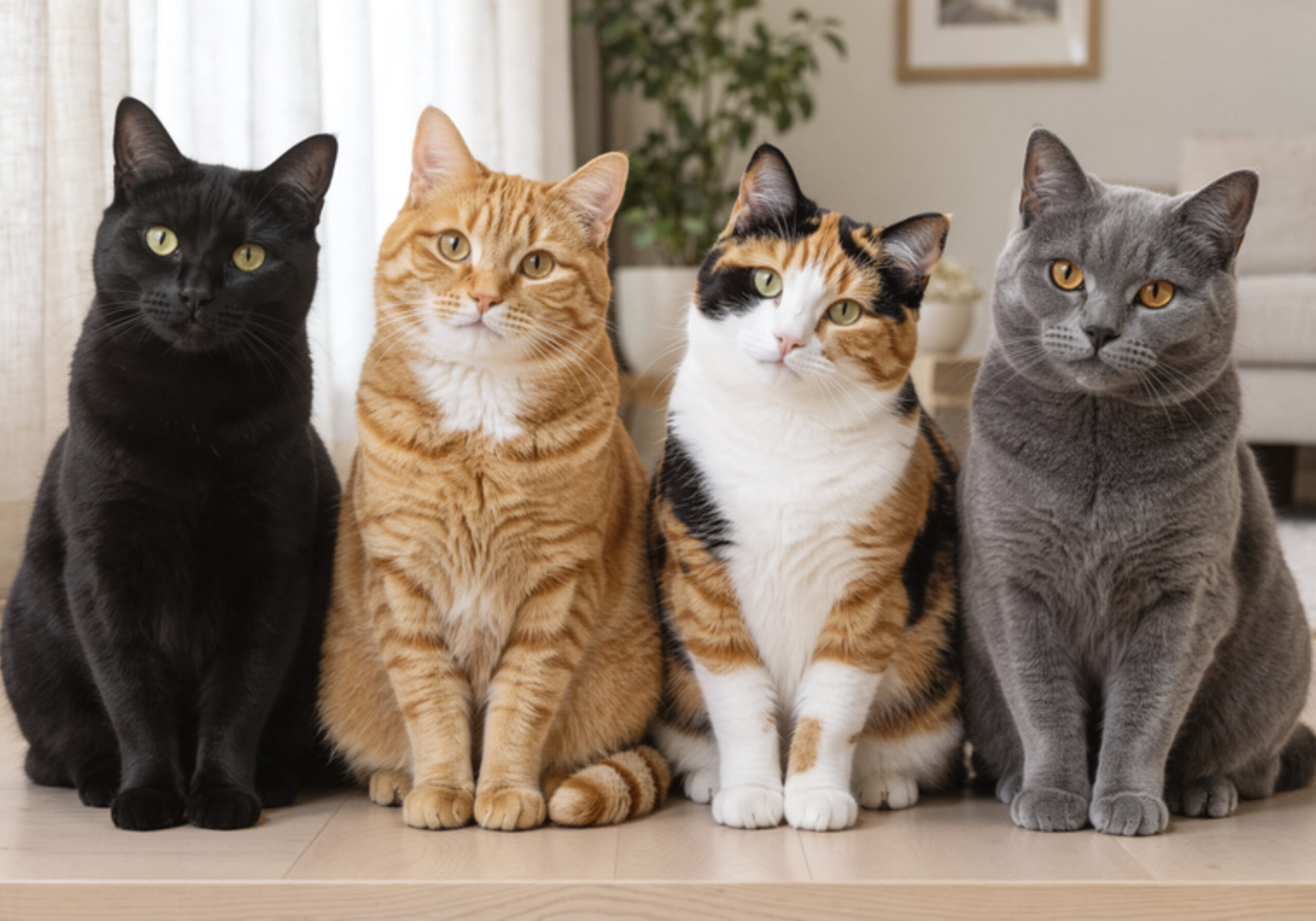
- Solid: One flat color over the entire coat with no stripes, spots, or patches.
- Tabby: The ancestral wild-type pattern — classic (swirled), mackerel (striped), spotted, or ticked (banded, no visible markings). Every domestic cat carries the tabby gene even if it doesn’t show. See our full guide to brown tabby cats for a deeper look at tabby genetics.
- Tortoiseshell: A mottled mix of black and orange patches on the same cat, caused by random X-chromosome inactivation. See our tortoiseshell cat guide for the full explanation.
- Calico: Tortoiseshell patches plus large areas of white, caused by an added white-spotting gene on top of a tortoiseshell base.
- Bicolor / Tuxedo: A solid or tabby color combined with white patches, caused by the same white-spotting gene in a less extensive form.
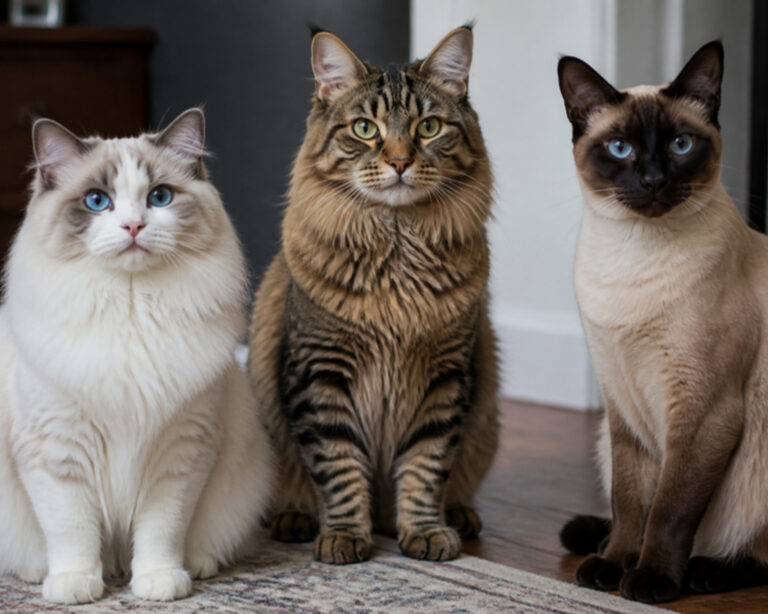
- Colorpoint: A pale body with darker color concentrated on the face, ears, paws, and tail — caused by a temperature-sensitive enzyme that only produces full pigment in the cooler extremities. This is the pattern behind every Siamese cat.
- Smoke & Shaded: Hair that’s pale near the root and colored at the tip, creating a shimmering, two-tone effect as the cat moves.
Why Are Most Orange Cats Male and Most Calicos Female?
The orange gene sits on the X chromosome, which is why sex plays such a big role in who shows it. Male cats (XY) only need one X carrying the orange gene to be fully orange, so the color shows up in males more often. Female cats (XX) need both X chromosomes to carry orange to be fully orange — but if only one X carries it, random X-inactivation in different cells produces the patchy black-and-orange tortoiseshell or calico look instead. That’s also why tortoiseshell and calico cats are almost always female: a male would need an extremely rare extra X chromosome (XXY) to show the pattern at all.
White Cats: A Different Mechanism Entirely
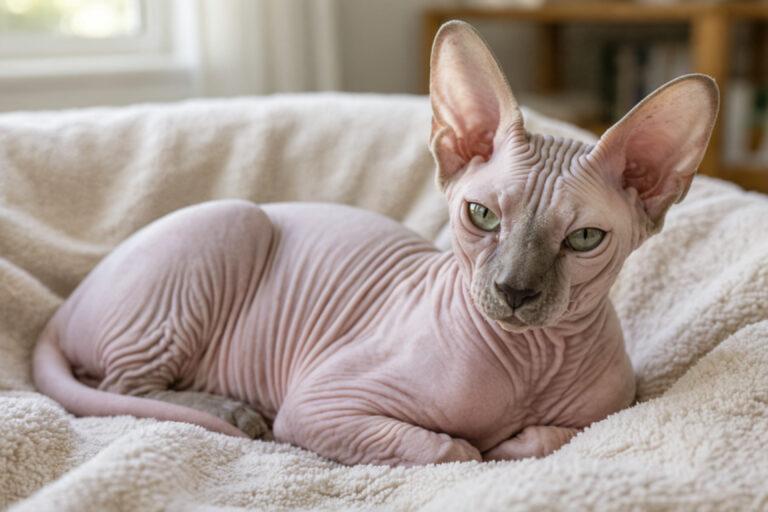
Technically, white isn’t a color in the genetic sense — it’s the absence of pigment caused by a separate masking gene (the dominant White gene) that completely blocks whatever color and pattern the cat would otherwise have shown. A solid white cat can genetically “be” any color or pattern underneath; the White gene just hides it entirely. This same gene is also linked to a higher rate of congenital deafness, especially in blue-eyed white cats, which is worth knowing if you’re adopting one.

- EASY TO USE, IMPACTFUL RESULTS: Collect a sample, package it up, and send it securely back. Just register, swab, return …
- MOST COMPREHENSIVE BREED & TRAIT: Our test distinguishes over 20+ distinct breeds and 50+ trait markers with the most sc…
- SCREEN FOR 40+ GENETIC DISEASES: Get peace of mind by screening for 64 health markers associated with 43 diseases for wh…
Rare and Unusual Cat Colors
Most cats you’ll see are black, orange tabby, grey/blue, or some form of tabby/white combination, since these come from the most common gene combinations. Genuinely rare colors include chocolate and cinnamon (lighter-brown variants requiring a specific recessive gene combination, concentrated in a handful of breeds), lilac and fawn (the diluted versions of chocolate and cinnamon), and solid white cats with non-blue eyes, since the White masking gene is less commonly paired with that eye color combination.
Does Coat Color Affect Personality or Health?
There’s no solid scientific evidence that coat color itself determines personality, despite popular stereotypes about orange cats or tortoiseshells having particular “tortitude.” Most apparent personality links to color are more likely tied to specific breeds that happen to come in certain colors. Coat color does have a few real, documented health links, though — white cats with blue eyes have a higher rate of congenital deafness, and solid white or very light-skinned cats are more prone to sunburn and skin cancer on exposed areas like the ears. See our cat health hub for general preventive care guidance.
Frequently Asked Questions
What is the rarest cat color?
Chocolate and cinnamon are among the rarest base colors, since they require a specific, less common gene combination and are mostly concentrated in a small number of breeds rather than appearing broadly in random-bred cats.
Can two black cats have an orange kitten?
Generally no, if both parents are genuinely black with no orange gene present. Orange is sex-linked, so a kitten’s color depends on which gene versions each parent actually carries on their X chromosomes — two cats that only carry black-based genes can’t produce an orange kitten.
Do kittens change color as they grow?
Some do. Colorpoint kittens (like Siamese) are often born nearly white and develop their darker points over the first weeks as their temperature-sensitive pigment activates. Most other patterns are visible at birth and simply deepen or lighten slightly as the adult coat comes in.