We independently research every product we recommend, drawing on real owner reviews, product specs, and vet-reviewed sources. If you buy through a link on this page, Catverdict may earn a small commission — this never affects our picks or costs you anything extra. Details in our affiliate disclosure
With dozens of recognized cat breeds to choose from — plus countless mixed-breed and color variations — narrowing down the right one can be overwhelming. This cat breeds list is organized by the way most people actually search: the most popular breeds overall, black cat breeds, grey cat breeds, fluffy long-haired breeds, and rare breeds you’re less likely to meet at a shelter. Each entry covers size, coat, temperament, and what to budget for.
Table of Contents
Cat Breeds List Overview
| Recognized Breeds | 71 (TICA), 45 (CFA) — associations vary on standards |
| Most Registered Breed | Ragdoll (CFA, most recent years) |
| Typical Lifespan Range | 12–18 years across most breeds |
| Adoption Cost | Often $50–$200 through shelters, including mixed-breed and some pedigreed cats |
| Breeder Cost | $500–$3,000+ depending on breed and lineage |
A quick note before the list: coat color (black, grey, orange) and coat length (fluffy vs. short-haired) are usually traits that show up within a breed, not breeds themselves — a British Shorthair can be grey, black, or several other colors, for example. The lists below group breeds by their most iconic or most commonly associated look, since that’s how most people search.
Most Popular Cat Breeds
These are consistently among the most-registered and most-searched breeds in the US:
| Breed | Weight | Coat | Known For |
|---|---|---|---|
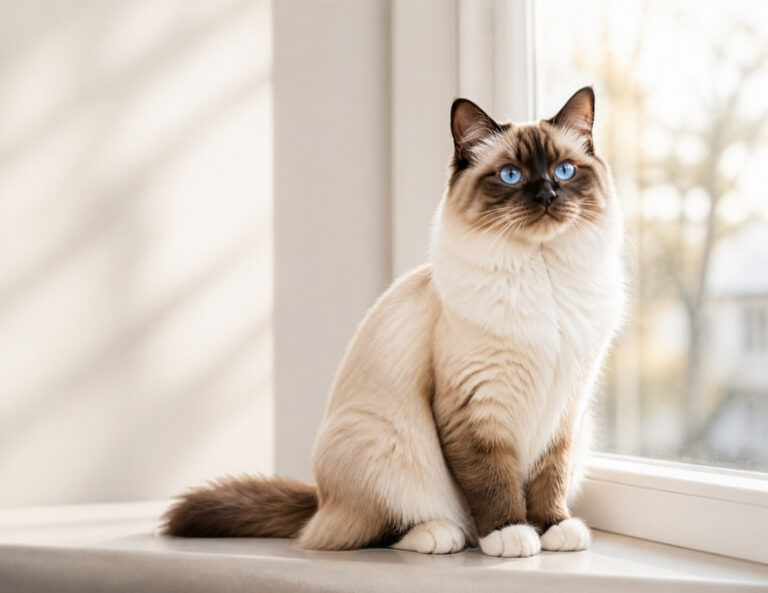
| Ragdoll | 10–20 lbs | Semi-long, silky | Going limp when held, docile temperament |
| Maine Coon | 10–25 lbs | Long, shaggy | Largest domestic breed, dog-like loyalty |
| Persian | 7–12 lbs | Long, dense | Flat face, daily grooming needs |
| Exotic Shorthair | 7–12 lbs | Short, plush | “Lazy man’s Persian” — same look, easier coat |
| British Shorthair | 9–18 lbs | Short, dense | Round face, calm temperament |
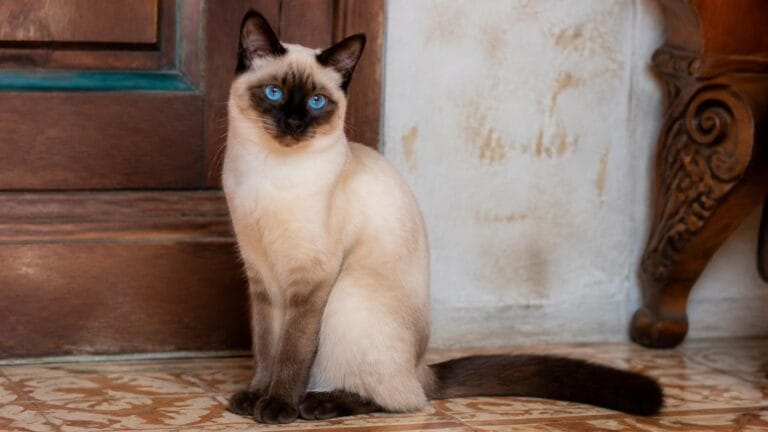
| Siamese | 6–14 lbs | Short | Vocal, pointed coloring, highly social |
| Domestic Shorthair | Varies | Short | Not a formal breed — the most common cat in the US |
Several of these overlap with the color- and coat-based lists below — a Maine Coon is both “popular” and “fluffy,” for instance, and a British Shorthair is frequently grey.

Black Cat Breeds
Solid black is a color that can appear in almost any breed, plus a handful of breeds where it’s the signature (or only) recognized color:
- Bombay: Developed specifically to look like a miniature black panther — solid black coat, copper eyes, and a sturdy, muscular build is required by breed standard.
- Domestic Shorthair/Longhair (black): Most black cats in shelters are mixed-breed; black is one of the most common coat colors in the general cat population, not a rare trait.
- British Shorthair (black): The breed’s round-faced, plush-coated look in solid black, one of several standard British Shorthair colors.
- Persian (black): A recognized solid color within the Persian standard, with the same long coat and flat face as other Persian colors.
- Chartreux: Not black itself (the breed is a solid blue-grey), but frequently confused with black cats due to its dense, water-resistant coat — included here as a common mix-up.
One persistent myth worth clearing up: there’s no scientific basis for “black cats are bad luck” or harder to adopt everywhere — shelter adoption rates for black cats vary a lot by region and shelter, and the old “black cat bias” has weakened significantly at many shelters in recent years.
Grey Cat Breeds
In cat fancy terms, “grey” is usually called “blue” — a diluted version of black caused by a recessive dilution gene. Several breeds are built almost entirely around this color:
- Russian Blue: A solid blue-grey coat with silver tipping and vivid green eyes is the breed’s defining feature; reserved, quiet temperament.
- Chartreux: A French breed with a dense, water-resistant blue-grey coat and a signature “smiling” facial structure.
- Korat: A rare Thai breed, always solid blue-grey by breed standard, with large green eyes.
- British Shorthair (blue): The most commonly seen British Shorthair color — round-faced and plush-coated in solid grey.
- Nebelung: A long-haired cousin of the Russian Blue, sharing the same blue-grey coloring with a silkier, semi-long coat.
A plain grey tabby — grey with visible striping rather than a solid coat — is extremely common in mixed-breed cats and isn’t tied to any one breed.
Fluffy (Long-Haired) Cat Breeds
These breeds are defined primarily by coat length and volume, and most need significantly more grooming than short-haired breeds:
- Maine Coon: A shaggy, water-resistant triple coat on the largest domestic breed; moderate shedding with seasonal blowouts.
- Persian: The most extreme long coat in the cat world, requiring daily brushing to prevent matting.
- Siberian: A dense triple coat developed to survive harsh Russian winters — see our full Siberian cat breed guide for grooming and cost details.
- Norwegian Forest Cat: A water-resistant double coat similar in function to the Maine Coon’s, with a thick ruff around the neck.
- Ragdoll: A semi-long, silky coat that mats less than a true long-haired breed, paired with a famously docile temperament.
- Balinese: A long-haired Siamese with a single coat (no thick undercoat), making it one of the easier long-haired breeds to groom — see our Balinese cat breed guide.

Rare Cat Breeds
These breeds have small, specialized breeding populations — expect a long waitlist and a higher price if you’re set on one:
- Sokoke: One of the rarest recognized breeds worldwide, originally a natural landrace from coastal Kenya with a distinctive “blotched” tabby pattern.
- Korat: A naturally occurring Thai breed with a small global gene pool and a long cultural history as a good-luck cat.
- Lykoi: Nicknamed the “werewolf cat” for its partial hairlessness and roan-patterned coat, a natural mutation first bred intentionally in the 2010s.
- American Bobtail: A naturally short-tailed breed with a relatively small breeding population compared to more commercial breeds.
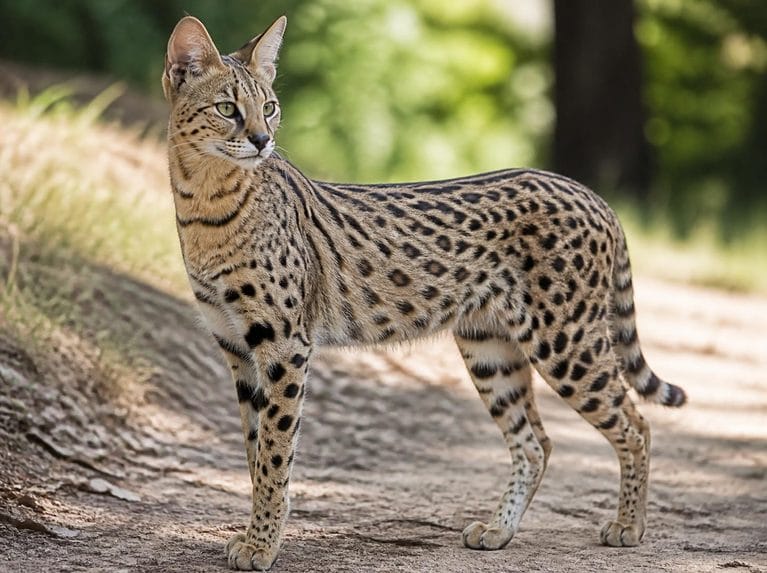
- Savannah: A serval hybrid breed, legal restrictions vary by US state depending on generation — see our Savannah cat breed guide for the full legality breakdown.
How to Choose the Right Cat Breed for You
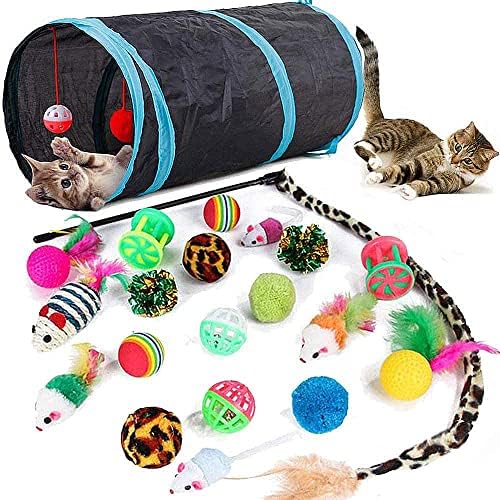
Before falling for a specific look, weigh three practical factors: grooming time (a long-haired breed can mean daily brushing), activity level (breeds like the Bengal and Savannah need serious enrichment), and budget — not just the adoption or breeder cost, but ongoing food, litter, and vet care. If allergies are a concern, note that no breed is truly hypoallergenic; some, like the Siberian and Balinese, tend to produce less of the Fel d 1 allergen, but individual sensitivity varies. Whatever breed or mix you choose, a comparable starter setup — litter box, scratching post, carrier, and food and water bowls — covers the basics for the first weeks at home.


Frequently Asked Questions
How many cat breeds are there?
It depends on the registry — TICA recognizes around 71 breeds, while the CFA recognizes around 45. The count varies because each association sets its own standards for what counts as a distinct breed.
What is the most popular cat breed?
The Ragdoll has ranked as the CFA’s most-registered breed in recent years, prized for its docile temperament and striking blue eyes. The Domestic Shorthair, while not a formal breed, remains the single most common cat overall in the US.
What is the rarest cat breed?
The Sokoke is widely considered one of the rarest recognized breeds in the world, with a very small global breeding population. The Lykoi and Korat are also frequently cited among the rarest.