
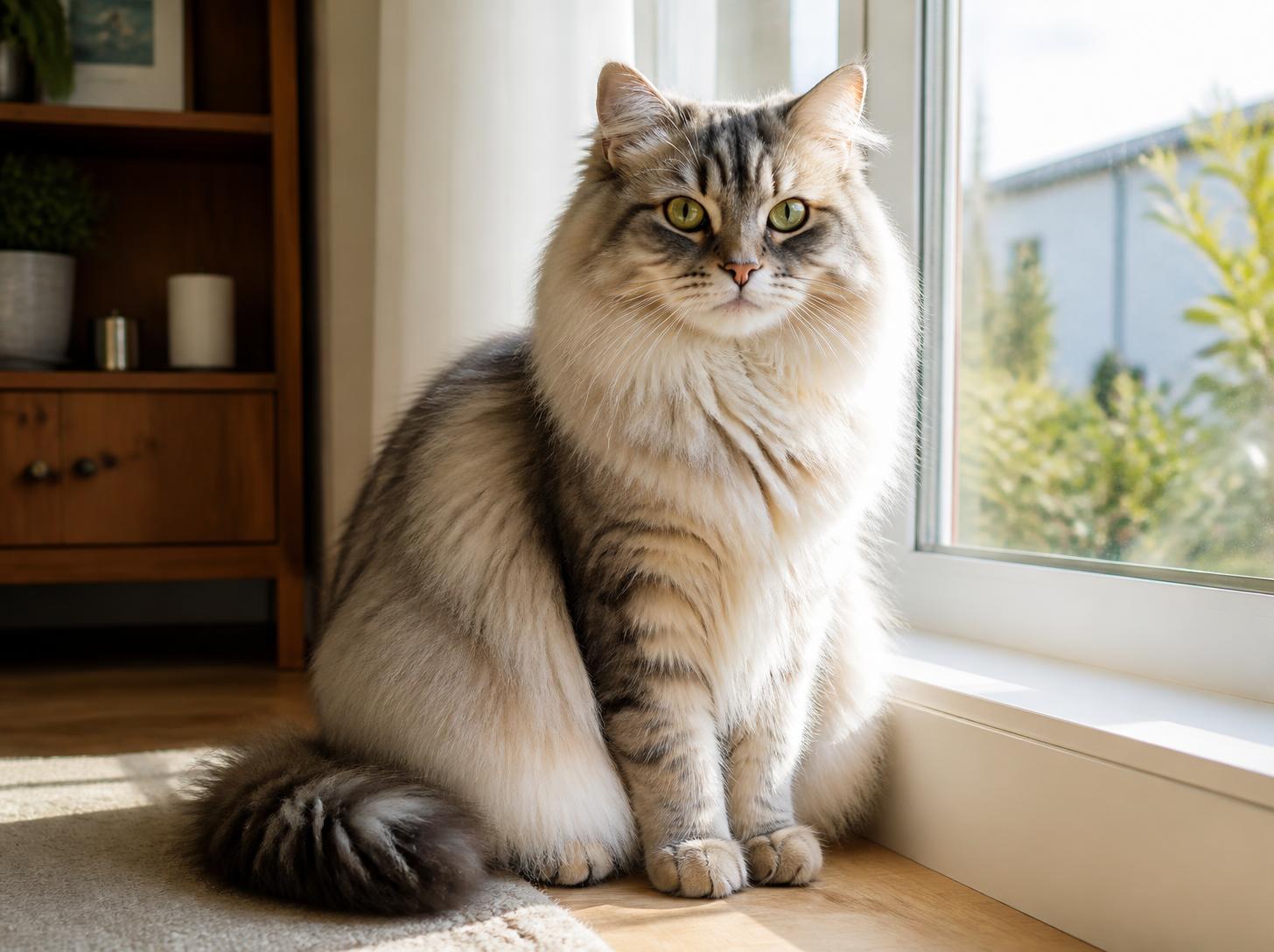
We independently research and test every product we recommend. If you buy through a link on this page, Catverdict may earn a small commission — this never affects our picks or costs you anything extra. Details in our affiliate disclosure
The Siberian cat is one of the most striking — and most searched-for — cat breeds in the world, known for its thick triple coat, dog-like loyalty, and reputation as a “hypoallergenic” option for allergy sufferers. But how much of that reputation holds up, and is a Siberian the right fit for your home? Here’s a complete breakdown of size, personality, grooming, health, and cost.
Table of Contents
Siberian Cat Breed Overview
| Weight | 8–17 lbs (males larger than females) |
| Coat | Long, triple-layered, water-resistant |
| Lifespan | 11–18 years |
| Temperament | Affectionate, playful, dog-like |
| Shedding | Heavy seasonal shedding |
| Price | $1,200–$4,000+ from a breeder |
Origin & History
The Siberian cat is a natural landrace breed that developed over centuries in the forests of Russia, first documented in writing as far back as the 1000s. Unlike many modern breeds shaped purely by selective breeding, Siberians evolved naturally to survive harsh Russian winters — which is exactly where their dense triple coat and sturdy build come from. The breed was formally recognized by TICA in 1996 and by the CFA in 2007, and is now accepted by every major cat registry worldwide.
Appearance & Size
Siberians are a large, muscular breed, with males typically weighing 12–17 lbs and females 8–12 lbs. They don’t reach full size until 3–5 years old. Their defining feature is a dense, triple-layer coat — a guard layer, an awn layer, and a soft undercoat — that gives them a rounded, “barrel-chested” silhouette and helps them withstand cold climates, a trait inherited from their Russian origins.
Siberians come in a wide range of colors and patterns — including tabby, solid, and colorpoint varieties similar to a Siamese but with the Siberian’s signature heft and coat. No two Siberians look quite the same, which is part of their appeal for people drawn to a one-of-a-kind cat.
Personality & Temperament
Siberians are famous for being unusually dog-like among cat breeds. They tend to follow their owners from room to room, greet people at the door, and can often be trained to fetch. They’re playful well into adulthood, generally good with children and other pets, and tend to bond closely with their whole family rather than a single person.
They’re also intelligent and curious — expect a Siberian to open cabinets, investigate counters, and enjoy puzzle feeders or interactive toys that give them something to problem-solve.
One trait that surprises new owners: many Siberians genuinely enjoy water, occasionally joining their owners in the bathroom or dipping a paw into a running tap — a holdover from their water-resistant coat and outdoor origins.
Grooming & Shedding: Are Siberians Really Hypoallergenic?
Despite their long coat, Siberians are popularly marketed as “hypoallergenic” because many produce lower levels of the Fel d 1 protein — the main allergen in cat saliva and skin — compared to other breeds. This doesn’t mean allergy-free: sensitivity varies a lot by individual cat and by person, and anyone with cat allergies should spend time with a specific Siberian before committing.
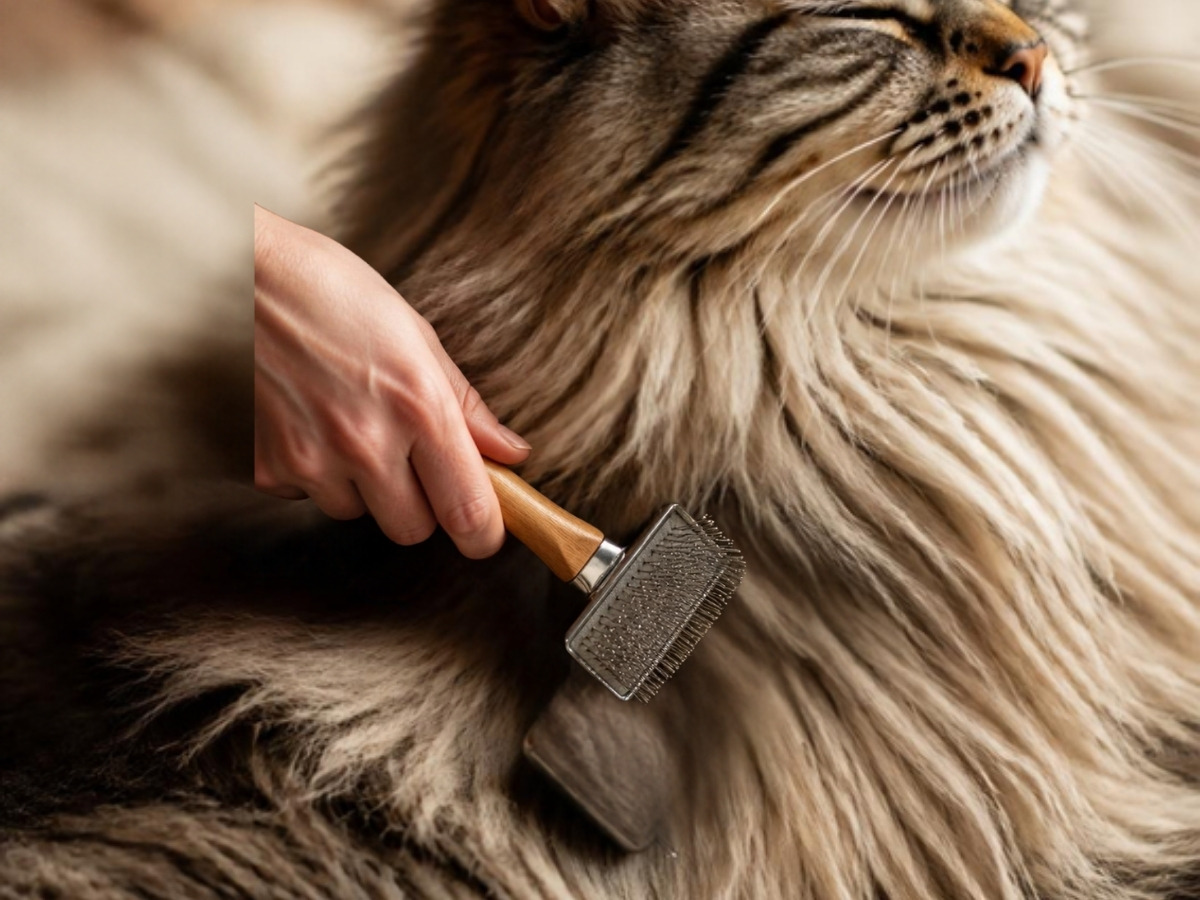
Grooming-wise, Siberians shed heavily during seasonal coat changes (spring and fall) and need brushing 2–3 times a week during those periods, tapering to once a week otherwise. Their coat is naturally water-resistant and somewhat self-cleaning, so they need less bathing than you’d expect from a long-haired breed.
Health & Lifespan
Like most Siberian cats, this breed is generally healthy and hardy, with a lifespan of 11–18 years. The main condition to screen for is hypertrophic cardiomyopathy (HCM), a heart condition that can affect the breed; reputable breeders screen breeding cats for it. Routine checkups, a balanced diet, and weight management go a long way toward a long, healthy life for this breed — see our complete guide to cat health care for preventive care basics that apply to every breed.
Diet & Nutrition Needs
As a large, muscular breed, Siberians benefit from a high-protein diet that supports lean muscle mass, along with Omega-3 fatty acids to help manage their heavy coat and reduce shedding-related hairballs. If you’re deciding between wet and dry food or comparing specific brands, our best cat food guide breaks down vet-reviewed picks for every life stage.
How Much Does a Siberian Cat Cost?
From a reputable breeder, expect to pay $1,200–$2,500 for a pet-quality Siberian kitten, with show-quality or rare colorpoint lines running $3,000–$4,000+. Adoption through a breed-specific rescue is far less common but typically costs $150–$400 when available. Always ask breeders for HCM health screening documentation before buying.
Is a Siberian Cat Right for You?
A Siberian cat is a great fit if you want an affectionate, dog-like companion, don’t mind regular brushing during shedding season, and can offer plenty of interactive play. They’re less ideal for anyone wanting a low-maintenance coat or a strictly independent cat.
Frequently Asked Questions
Are Siberian cats good for allergy sufferers?
Many people with mild cat allergies tolerate Siberian cats better due to lower Fel d 1 production, but this varies by individual and isn’t a guarantee.
How big do Siberian cats get?
Males typically reach 12–17 lbs and females 8–12 lbs, with full size reached around 3–5 years old.
Do Siberian cats shed a lot?
Yes, heavily during seasonal coat blowouts in spring and fall, requiring more frequent brushing during those periods.