We independently research every topic we cover, drawing on established feline behavior sources and real owner experience. This article is for general information and isn’t a substitute for advice from your own veterinarian.
Are cats ticklish? Not in the giggly, human sense — cats can’t laugh — but many do have touch-sensitive zones that trigger a reflexive twitch, kick, or skin ripple when touched a certain way. That reaction is real, but it’s not always a sign your cat is enjoying it. Here’s what’s actually happening under the fur, and how to tell “ticklish and fine” apart from “please stop.”
Table of Contents
| Quick answer | Cats don’t laugh, but many have touch-sensitive zones (belly, paws, tail base) that trigger reflexive kicking or skin twitching |
| Normal? | Yes — this is a nervous-system reflex, not a sign of pain, in most healthy cats |
| Watch for | Flattened ears, tail swishing, skin rippling, or a quick bite/scratch — that’s overstimulation, not enjoyment; stop touching that spot |
Is “Ticklish” the Right Word for Cats?
Human ticklishness comes with laughter and a specific brain response that cats simply don’t have. What people call a “ticklish” cat is really a cat’s skin-twitch reflex (the cutaneous trunci reflex) or a defensive reaction kicking in — the skin or a limb jerks involuntarily when a sensitive spot is touched, without any of the pleasure or amusement the word implies for humans. It’s closer to how your leg kicks when a doctor taps your knee than to being tickled by a sibling.
4 Spots Where Cats Are Most “Ticklish”
1. The Belly
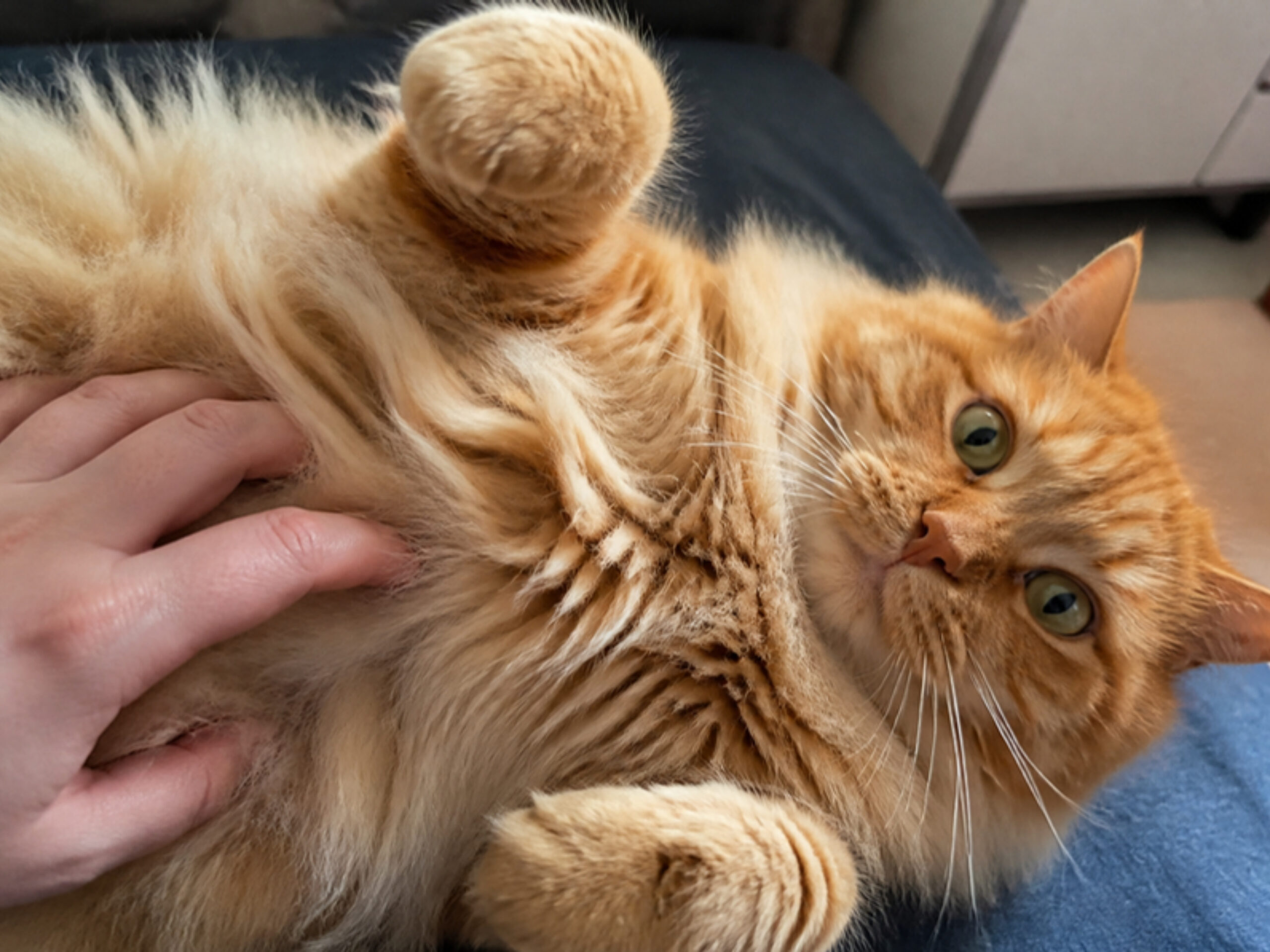
The belly covers vital organs with little muscle protection, so most cats keep it guarded by instinct even if they trust their owner completely. A hand on the belly often triggers a quick grab-and-kick with the back legs — that’s a defensive reflex, not an invitation to keep going, even in cats that roll over to show their stomach during play.
2. The Paws
Paws are dense with nerve endings that cats rely on for balance, hunting, and reading their surroundings, which makes most cats pull away, flick their paw, or swat when their toes are touched. Some cats can be gradually desensitized to brief paw handling (useful for nail trims) with short, reward-based sessions, but it rarely becomes a spot they genuinely enjoy having touched.


3. The Base of the Tail
The base of the tail is packed with nerve endings connected to the spine, and a light scratch there often makes a cat’s hindquarters lift or the tail quiver — a reflex some cats clearly enjoy (it can mimic grooming sensations from a littermate) while others find it irritating fast. Watch the individual cat’s reaction rather than assuming it’s a universal “good spot.”
4. Whiskers and Ears
Whiskers are motion-sensing organs, not just hair, so touching or stroking them can trigger an exaggerated flinch or head-shake even from a light brush. Ear tips and the inner ear are similarly sensitive — a quick twitch or head tilt when touched there is a normal sensory response, not a sign of pain, unless it’s paired with scratching, odor, or visible irritation.
Ticklish vs. Overstimulated: How to Tell the Difference
A reflexive twitch is not the same as a cat asking for more. The clearest sign a cat has moved from “mildly ticklish” into overstimulation is a shift in body language: ears flattening or swiveling back, tail swishing or thumping, skin rippling along the back, dilated pupils, or a sudden bite or scratch after several seconds of seeming to tolerate the touch. This pattern is the same one behind petting-induced aggression in cats that otherwise seem relaxed — the nervous system simply reaches a tipping point from repeated stimulation in one spot.
How to Pet a Sensitive Cat Safely
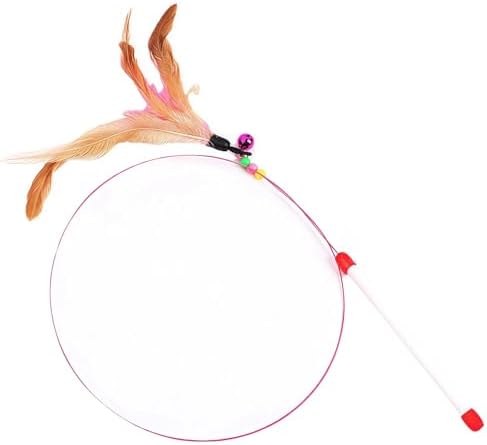
Stick to areas most cats genuinely enjoy — the cheeks, chin, and base of the ears — and treat the belly, paws, and tail base as “ask first” zones rather than default petting spots. Keep sessions short, watch for the early warning signs above, and stop the moment a cat tenses, even if it hasn’t pulled away yet. For cats with a lot of pent-up energy, redirecting some of that drive into active play can reduce how quickly they get overstimulated by handling.


Frequently Asked Questions
Do cats actually laugh when tickled?
No — cats don’t have the neurological wiring for laughter that humans do. What looks like a ticklish reaction is a reflexive twitch, kick, or skin ripple, not an expression of amusement.
Why does my cat kick when I touch its belly?
The belly has little protection over vital organs, so most cats instinctively grab and kick with their back legs when it’s touched, even during otherwise affectionate play. It’s a defensive reflex rather than a sign of enjoyment for most cats.
Is it bad to tickle my cat if it doesn’t bite?
Not biting doesn’t always mean a cat is comfortable — some tolerate touch they dislike before reacting. Watch for flattened ears, tail swishing, or skin rippling as earlier signs it’s time to stop, rather than waiting for a bite or scratch.