
We independently research every topic we cover, drawing on established veterinary sources and real owner experience. This article is for general information only, isn’t diagnostic, and isn’t a substitute for an exam from your own veterinarian.
Cat acne shows up as small dark specks, blackheads, or occasionally swollen bumps on a cat’s chin and lower lip, caused by a buildup of oil and debris in the hair follicles. It’s usually mild and cosmetic, but it can sometimes progress to an infected, uncomfortable version that needs veterinary treatment — so it’s worth knowing what’s normal and what isn’t.
Table of Contents
| Needs a vet? | Only if swollen, painful, or spreading — mild cases are often manageable at home |
| Main signs | Dark specks or blackheads on the chin/lower lip, sometimes small bumps |
| Contagious? | No |

What Is Cat Acne?
What Causes Cat Acne
Feline acne develops when hair follicles on the chin and lips become clogged with excess oil (sebum), dirt, or dead skin cells, forming blackhead-like plugs called comedones. The exact trigger varies cat to cat — stress, poor grooming habits, a reaction to a plastic food bowl, underlying skin conditions, or even a weakened immune system can all contribute, and sometimes there’s no identifiable cause at all.
Mild vs. Infected Cat Acne
Mild cat acne looks like small dark specks or light crusting, usually without any sign of discomfort. It becomes a bigger concern when the follicles get infected — look for swelling, redness, pus-filled bumps, or a cat that seems bothered by the area (pawing at the chin, reluctance to be touched there). An infected case needs veterinary treatment rather than home management, since it won’t resolve with cleaning alone.
When to See a Vet
See a vet if the chin looks swollen, red, or has pus-filled bumps, if your cat seems uncomfortable or avoids having the area touched, or if mild at-home cleaning hasn’t improved things after a couple of weeks. A vet can also rule out other causes of chin bumps, like ringworm or an allergic reaction, that can look similar to acne but need different treatment.
Managing Mild Cat Acne at Home
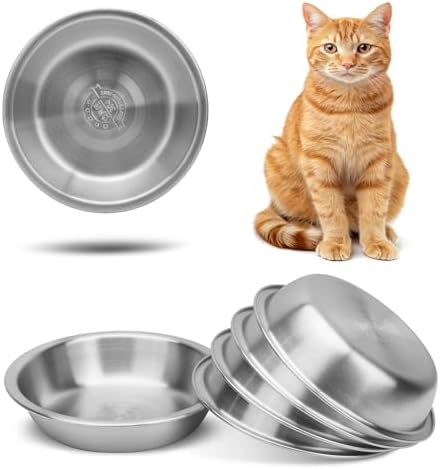
For genuinely mild cases with no swelling or discomfort, gently wiping the chin with a warm, damp cloth after meals can help remove oil and food debris before it builds up in the follicles. Switching from a plastic food and water bowl to stainless steel or ceramic is a commonly recommended, low-effort change, since plastic can harbor bacteria and oils in tiny surface scratches that a cat’s chin repeatedly contacts.


Preventing Cat Acne From Coming Back
- Use stainless steel or ceramic bowls instead of plastic, and wash them regularly.
- Wipe your cat’s chin gently after meals, especially with wet food.
- Keep up with regular grooming to reduce general debris buildup on the face.
- Monitor for recurrence and involve your vet early if it keeps coming back, since a recurring pattern sometimes points to an underlying sensitivity.
Frequently Asked Questions
Is cat acne caused by plastic food bowls?
Plastic bowls are a commonly suspected contributing factor since they scratch easily and can harbor oil and bacteria in those scratches, but they’re not the only cause — some cats develop acne regardless of bowl material. Switching to stainless steel or ceramic is still a reasonable, low-cost step to try.
Can cat acne go away on its own?
Mild cases sometimes clear up with basic hygiene changes like regular chin wiping and a bowl swap. It can also be a recurring, chronic issue for some cats that flares up periodically regardless of care, which is normal and usually just needs ongoing management rather than a one-time fix.
Is cat acne contagious to other pets?
No, feline acne itself isn’t contagious. If other pets in the house develop similar chin bumps, it’s worth a vet visit to rule out something else, like ringworm, that can look similar but does spread between animals.
For general preventive care that applies beyond skin issues, see our complete cat health care guide.


