
We independently research every product mentioned on this page, drawing on real owner reviews, product specs, and vet-reviewed sources. If you buy through a link here, Catverdict may earn a small commission — this never affects our picks or costs you anything extra. Details in our affiliate disclosure.
Bottom line: The most effective cat health care strategy combines three pillars: annual (or semi-annual for seniors) veterinary wellness visits, year-round parasite prevention, and evidence-based home monitoring for early warning signs. Most serious feline health conditions — kidney disease, dental disease, hyperthyroidism, diabetes — are dramatically more treatable when detected early. Here’s what you need to know to be your cat’s most effective health advocate.
Curious how we evaluate and rank every pick on this page? See our How We Choose Our Picks.
Shop by Cat Health Category
-
Is a Flea Bomb Safe for Cats? What to Use Instead 2026
We independently research every topic and product mentioned on this…
View guide →
-

Best Cat DNA Tests: Basepaws, Wisdom Panel Cat & Orivet Compared
Basepaws, Wisdom Panel Cat & Orivet compared
View guide →
-
Best Cat Insurance Providers: Embrace, Trupanion, Figo & Healthy Paws Compared
Embrace, Trupanion, Figo & Healthy Paws compared
View guide →
-

Cat Laxative: Options, Safety Basics, and When to See a Vet
We independently research every topic and product on this page,…
View guide →
-
Praziquantel for Cats: What It Treats and How to Get It
We independently research every topic and product on this page,…
View guide →


Jump to a section
Core Cat Health Care: The Essential Checklist

| Health Category | Recommended Action | Frequency |
|---|---|---|
| Veterinary wellness exam | Full physical examination, weight, vitals | Annually (cats 1–7); every 6 months (cats 8+) |
| Core vaccinations | FVRCP (distemper combo); Rabies | Per vet protocol (booster schedules vary) |
| Dental care | Professional cleaning under anesthesia; home brushing | Professional: annually; brushing: daily |
| Parasite prevention | Monthly flea, tick, heartworm prevention | Year-round (indoor cats included) |
| Bloodwork & urinalysis | Senior wellness panel | Annually from age 7; every 6 months from age 10 |
| Spay / Neuter | Surgical sterilization | Typically 5–6 months (confirm with vet) |
| Microchip | Permanent ID implant | Once; register and keep contact info updated |
| Weight monitoring | Monthly weigh-in at home | Monthly; track trends over time |
Veterinary Care: What Each Wellness Visit Covers
Why Annual Exams Matter More Than You Think
One year in a cat’s life is equivalent to roughly 4–5 human years. A cat that appears healthy between annual exams may have developed early-stage kidney disease, hypertension, hyperthyroidism, or dental disease that a physical exam will detect before clinical signs become visible to the owner. Early detection consistently correlates with better treatment outcomes and lower overall treatment cost.
For cats over age 7 — considered senior — semi-annual wellness visits are generally recommended. For cats over 10 (geriatric), bloodwork and urinalysis at every visit gives a baseline and catches trends that single-point-in-time testing misses.
Vaccinations: Core vs. Non-Core
Core vaccines (recommended for all cats regardless of lifestyle):
- FVRCP: Protects against Feline Viral Rhinotracheitis (herpesvirus), Calicivirus, and Panleukopenia. Administered as a series in kittens, then boosted at 1 year, then every 1–3 years depending on product and your vet’s protocol.
- Rabies: Legally required in most US states. Annual or 3-year formulations available; your veterinarian will recommend based on local regulations and your cat’s risk.
Non-core vaccines (recommended based on lifestyle risk):
- FeLV (Feline Leukemia Virus): Recommended for outdoor or indoor-outdoor cats, or cats in multi-cat households with unknown FeLV status. All kittens should be tested before vaccination.
- FIV: No commercially available vaccine is currently recommended by major US veterinary organizations due to limited efficacy data.
Spaying and Neutering: Beyond Population Control
Spaying (female) before the first heat cycle reduces the lifetime risk of mammary gland tumors by approximately 91% — one of the most dramatic cancer-risk reductions in veterinary medicine. It eliminates the risk of pyometra, a life-threatening uterine infection common in intact females over age 4.
Neutering (male) eliminates testicular cancer risk, reduces the risk of prostate disease, and significantly reduces roaming, urine spraying, and inter-cat aggression — behavioral benefits that directly improve indoor cat management and welfare.
Dental Health: The Most Overlooked Health Issue in Cats
How Common Is Feline Dental Disease?

Studies estimate that 70–90% of cats over age 3 have some degree of periodontal disease. It is the single most common health condition diagnosed at feline wellness exams. Despite its prevalence, it remains severely undertreated — most owners don’t know dental disease is affecting their cat until teeth need extraction.
Periodontal disease begins as plaque (bacterial biofilm), hardens into calculus (tartar), progresses to gingivitis, and — without intervention — leads to periodontal attachment loss, tooth root exposure, abscesses, and systemic bacterial seeding through the bloodstream. Cardiac, kidney, and liver complications from chronic dental disease are documented in both human and veterinary literature.
Signs of Dental Disease to Watch For
- Visible brown or yellow tartar on tooth surfaces, especially upper molars
- Red, swollen, or bleeding gum line
- Persistent bad breath (beyond mild food odor)
- Drooling, pawing at the mouth, or reluctance to eat hard food
- Preferring food on one side of the mouth
- Weight loss with no other apparent cause
At-Home Dental Care
Daily toothbrushing with a veterinary-specific enzymatic toothpaste (never human toothpaste — xylitol is toxic to cats) is the most effective home care tool. Use a small cat-specific toothbrush or a finger brush. Focus on the outer surfaces of the upper molars — where tartar accumulates first — using small circular motions along the gum line.
If brushing isn’t tolerated, VOHC (Veterinary Oral Health Council)-approved dental chews, water additives, and enzymatic dental gels provide meaningful but less complete supplemental benefit.
The Most Common Cat Health Conditions
Chronic Kidney Disease (CKD)
CKD is the leading cause of death in cats over age 10. The kidneys have significant reserve capacity — cats don’t show clinical signs until approximately 65–75% of kidney function is lost. Annual senior bloodwork catches elevated creatinine, BUN, and phosphorus before clinical signs develop.
Signs: Increased thirst and urination, weight loss, decreased appetite, vomiting, bad breath with ammonia odor, lethargy. Management: Prescription kidney diet, hydration support (wet food, subcutaneous fluids in advanced cases), phosphorus binders, blood pressure management if hypertension is present. CKD is managed, not cured — early detection extends high-quality life significantly.
Hyperthyroidism
The most common endocrine disease in cats over age 10, caused by a benign tumor of the thyroid gland producing excess thyroid hormone. Left untreated, it causes cardiac enlargement, hypertension, and secondary kidney disease.
Signs: Weight loss despite increased appetite, increased vocalization, restlessness, unkempt coat, vomiting, diarrhea, rapid heart rate. Management: Methimazole (medication), radioactive iodine therapy (curative), surgical thyroidectomy, or iodine-restricted prescription diet. Radioactive iodine is the most effective long-term treatment with a 95%+ cure rate.
Feline Lower Urinary Tract Disease (FLUTD)
An umbrella term for conditions affecting the bladder and urethra. The most common cause in young-to-middle-aged cats is Feline Idiopathic Cystitis (FIC), which is strongly linked to stress and dry-food-only diets. Urinary blockage (complete obstruction of the urethra) is a life-threatening emergency seen almost exclusively in male cats.
Signs of FLUTD: Straining to urinate, frequent trips to the litter box producing little or no urine, blood in urine, urinating outside the box, crying during urination. Emergency sign: A male cat that has been straining for more than 4–6 hours and producing no urine has a potential urethral blockage — this is a veterinary emergency requiring immediate care.
Prevention: Wet food diet, multiple water sources (fountains preferred), stress reduction, and maintaining multiple clean litter boxes significantly reduce FLUTD recurrence.
Feline Diabetes
Type 2 diabetes is increasingly common in cats, driven by obesity and high-carbohydrate dry-food diets. Obese male cats are at highest risk. Unlike humans, cats can achieve diabetic remission with appropriate dietary management and insulin therapy — particularly if detected early.
Signs: Increased thirst and urination, weight loss despite good appetite, weakness or “plantigrade posture” (walking on the hocks rather than paws — a sign of diabetic neuropathy). Management: Insulin injections (typically twice daily), low-carbohydrate wet food diet, weight loss. Diabetic remission rates in cats on low-carb diets with appropriate insulin reach 50–80% — one of the more optimistic outcomes in feline internal medicine when caught early.
Obesity

An estimated 59% of US cats are overweight or obese (Association for Pet Obesity Prevention, 2023). Obesity is not cosmetic — it significantly increases risk of diabetes, hepatic lipidosis, osteoarthritis, cardiac disease, and anesthetic complications. Even a 20% reduction in body weight produces measurable improvement in mobility, cardiac function, and metabolic parameters.
Assessment: Use the Body Condition Score (BCS) scale. At ideal weight, you should feel your cat’s ribs easily without pressing, see a slight waist definition when viewed from above, and observe a slight abdominal tuck when viewed from the side. If the ribs are difficult to feel, the cat is overweight.

Parasite Prevention: What Indoor Cats Still Need
Fleas
Indoor cats are not immune — fleas enter on clothing, through window screens, and via other pets. A single female flea lays up to 50 eggs per day. By the time you see adult fleas on your cat, there are likely hundreds of eggs and larvae in your home environment. Monthly prevention (topical or oral) is far more practical than treatment after infestation.
Recommended products: Revolution Plus (selamectin + sarolaner), Bravecto (fluralaner), Comfortis (spinosad). Always use a product labeled for cats — permethrin-based dog products are acutely toxic to cats and must never be applied to or near them.
Heartworm
Heartworm is primarily a dog disease, but cats are susceptible — and the disease is more dangerous in cats because there is no safe treatment once infection is established. Prevention is the only reliable option. Even indoor cats in heartworm-endemic US regions (Southeast, Gulf Coast, Mid-Atlantic) should receive monthly heartworm prevention.
Intestinal Parasites
Roundworms, hookworms, and tapeworms are common in cats with any outdoor access or flea exposure. Annual fecal examinations should be performed at wellness visits. Some monthly combination products (Revolution Plus, Advantage Multi) cover intestinal parasites alongside fleas and heartworm.
Home Health Monitoring: Early Warning Signs to Know

Cats instinctively conceal illness — a survival behavior that makes owner-level monitoring critical. Check your cat monthly for:
- Weight: Monthly weigh-in using a baby scale or bathroom scale with your cat. A loss of more than 0.5 lb over a month warrants a veterinary evaluation.
- Coat condition: Healthy cats maintain a clean, flat coat. Matting, greasiness, or unkempt patches indicate the cat is not grooming — often a sign of pain, illness, or obesity.
- Litter box output: Note frequency of urination and defecation. Straining to urinate, blood in urine, or no urination for 12+ hours are urgent signs.
- Appetite and thirst: Significant increase in water consumption or sudden food refusal for more than 24–48 hours warrants evaluation.
- Eyes: Both eyes should be clear, symmetrical, and free of discharge. Third eyelid (nictitating membrane) visible in the inner corner indicates illness or systemic stress.
- Gums: Should be pink and moist. Pale, white, yellow (jaundiced), or bright red gums are emergency signs requiring immediate veterinary care.
- Breathing: Cats should breathe silently with closed mouths at rest. Any open-mouth breathing at rest is an emergency.
Best Cat Health Products: Our Picks
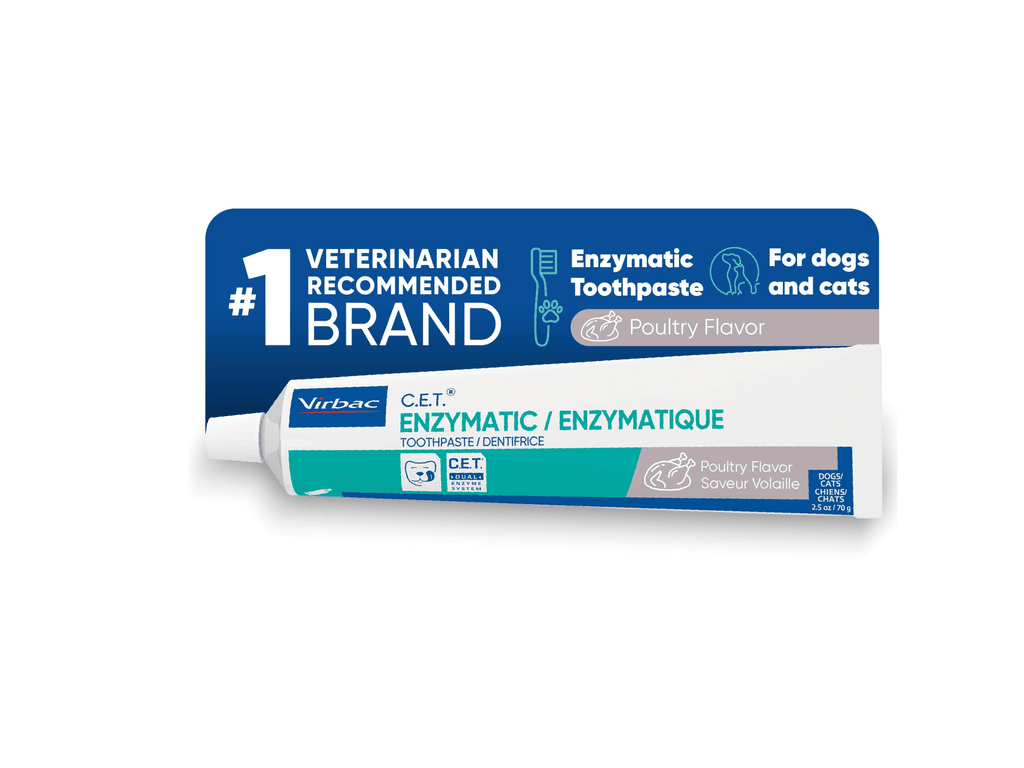
Best Dental Care Kit: Virbac C.E.T. Enzymatic Toothpaste + Finger Brush
Virbac C.E.T. is the most widely recommended veterinary enzymatic toothpaste. The dual-enzyme system (glucose oxidase + lactoperoxidase) inhibits bacterial metabolism on the tooth surface. Available in poultry and malt flavors cats accept reasonably well. Used with a silicone finger brush for cats new to tooth brushing.
Who should NOT buy this: cats with a known poultry allergy (check the flavor variant’s ingredients first), or cats that won’t tolerate any brushing — a dental chew or water additive may be a better starting point.
Best Weight Scale: Etekcity Food Kitchen Scale
A precision kitchen scale (resolution of 1 gram) works well for monthly home weighing of cats under 15 lbs — place the scale on the floor, zero it out with a towel, then weigh your cat. Accurate enough for meaningful trend tracking between vet visits.
Who should NOT buy this: owners of cats over about 15 lbs who need a higher-capacity scale, or anyone wanting a dedicated vet-style scale with a built-in weighing tray.
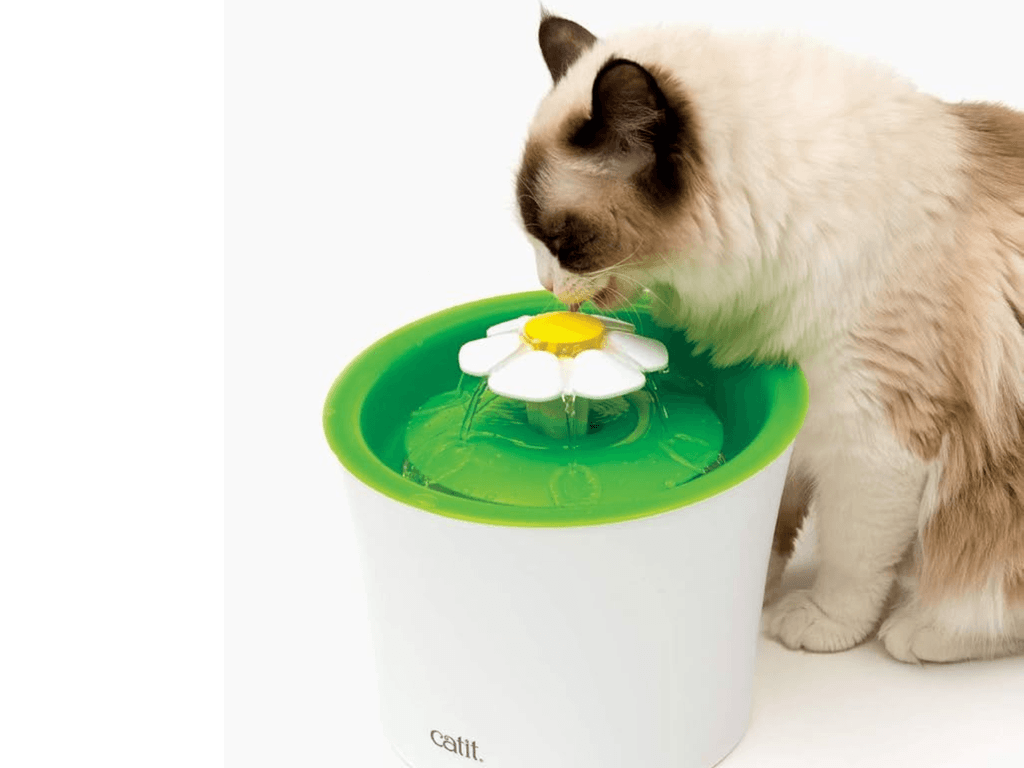
Best Water Fountain: Catit Flower Fountain
Cats prefer running water to standing water — an evolutionary preference that reduces pathogen intake from stagnant sources. Water fountains significantly increase water consumption, which is directly beneficial for urinary and kidney health. The Catit Flower Fountain is quiet, easy to disassemble for weekly cleaning, and effective at keeping water oxygenated and fresh-tasting.
Who should NOT buy this: households with hard water needing frequent filter/pump cleaning, or owners unwilling to disassemble and clean the fountain weekly.
Best Pet First Aid Kit: PetArmor First Aid Kit for Pets
A basic home first aid kit for cats should include: wound wash (saline), sterile gauze, self-adhesive bandaging tape, blunt-tip scissors, digital thermometer (rectal temperature for cats: 101–102.5°F is normal), and a pet-specific styptic powder for minor nail bleeding. PetArmor’s kit covers these basics in one organized case.
Who should NOT buy this: cats with a diagnosed chronic condition who need a vet-customized emergency kit, or anyone looking for prescription medications — none are included.
Frequently Asked Questions
How often should I take my cat to the vet?
Healthy adult cats (ages 1–7) should have annual wellness exams. Senior cats (7–10) benefit from twice-yearly visits. Geriatric cats (10+) should be seen every 6 months at minimum, with bloodwork and urinalysis at each visit to track trends in kidney function, thyroid levels, and blood pressure.
What vaccines does my indoor cat need?
Indoor cats still require core vaccines: FVRCP (distemper combo) and Rabies. FVRCP protects against airborne viruses that can enter through windows or on clothing. Rabies is legally required in most states and provides protection in the event of an escape or bat exposure — the most common rabies-vector scenario for indoor cats in the US.
What are signs my cat is sick?
Key warning signs include: unexplained weight loss, increased thirst or urination, changes in appetite (dramatic increase or refusal), vomiting more than once or twice per week, diarrhea lasting more than 48 hours, hiding or withdrawal from normal social behavior, changes in grooming (over- or under-grooming), open-mouth breathing, and pale or yellowish gums. Any of these warrants a veterinary call.
How do I know if my cat is in pain?
Cats mask pain instinctively. Behavioral signs include: reduced activity and hiding, reluctance to jump up or down, changes in facial expression (squinted eyes, flattened ears, tight jaw), vocalization when touched in a specific area, and over-grooming or biting at a specific body region. The Feline Grimace Scale (available at catpain.ca) is a validated tool for assessing pain from photos of your cat’s face.
What should I feed my cat for optimal health?
A diet based on wet food (high moisture, high animal protein, low carbohydrates) provides the strongest foundation for urinary, kidney, and weight health. Choose brands with AAFCO feeding trial statements and a named protein (chicken, turkey, salmon) as the first ingredient. Avoid foods where plant proteins or grains dominate the ingredient list.
How can I help my cat live longer?
The evidence-based strategies with the greatest impact: maintain a lean body weight (the single most impactful longevity factor in companion animals), feed a high-quality wet food diet, provide year-round parasite prevention, schedule annual veterinary wellness exams, keep up with dental care, and minimize chronic stress through environmental enrichment and stable routines. Cats in low-stress, enriched environments with good nutritional management consistently live into their late teens and beyond.
Medical Disclaimer: This guide was researched using veterinary sources for educational purposes — it was not written by a veterinarian. It does not replace individualized veterinary care or advice. Cat health conditions require accurate diagnosis by a licensed veterinarian. If your cat displays any symptoms described in this guide, schedule a veterinary appointment promptly rather than attempting home diagnosis or treatment. For medical emergencies — urinary blockage, open-mouth breathing, pale gums, collapse, or seizure — go to an emergency veterinary clinic immediately without delay.