We independently research every topic we cover, drawing on established feline behavior sources and real owner experience. This article is for general information and isn’t a substitute for advice from your own veterinarian.
Excessive meowing is usually your cat asking for something — food, attention, access to a room, or relief from stress or boredom. Cats also meow more as they age, sometimes due to hearing loss, cognitive changes, or an underlying medical condition like hyperthyroidism. A sudden, sharp increase in meowing is worth a vet check, especially in senior cats.
Table of Contents
| Quick answer | Usually hunger, attention-seeking, or a routine change — can also signal pain or aging in senior cats |
| Normal? | Yes, in moderation — some cats and breeds are naturally more vocal |
| Watch for | Sudden increase, especially with weight/appetite changes or in a senior cat — see a vet |
8 Common Reasons for Excessive Meowing
1. Hunger or an Erratic Feeding Schedule
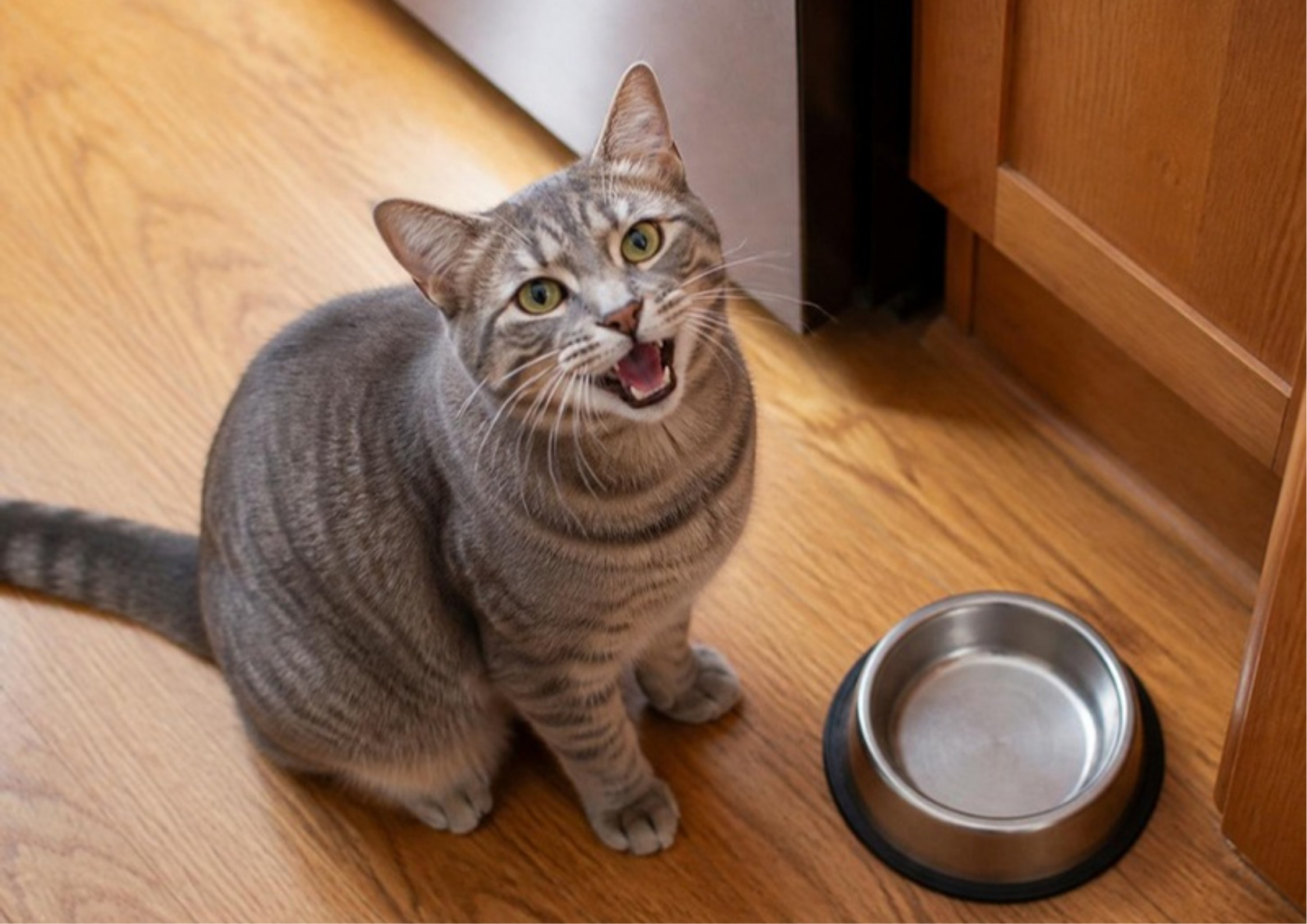
Meowing near meal times, or at the kitchen specifically, is one of the most common and easiest causes to fix. Cats quickly learn that meowing near the food bowl or at you while you’re in the kitchen gets results, and the behavior gets reinforced every time it works.
2. Attention-Seeking
Cats are smart about cause and effect. If meowing reliably gets you to talk to them, pick them up, or play, they’ll keep doing it — especially cats left alone for long stretches during the day who build up a backlog of social energy.
3. Wanting Access to a Room or Outside
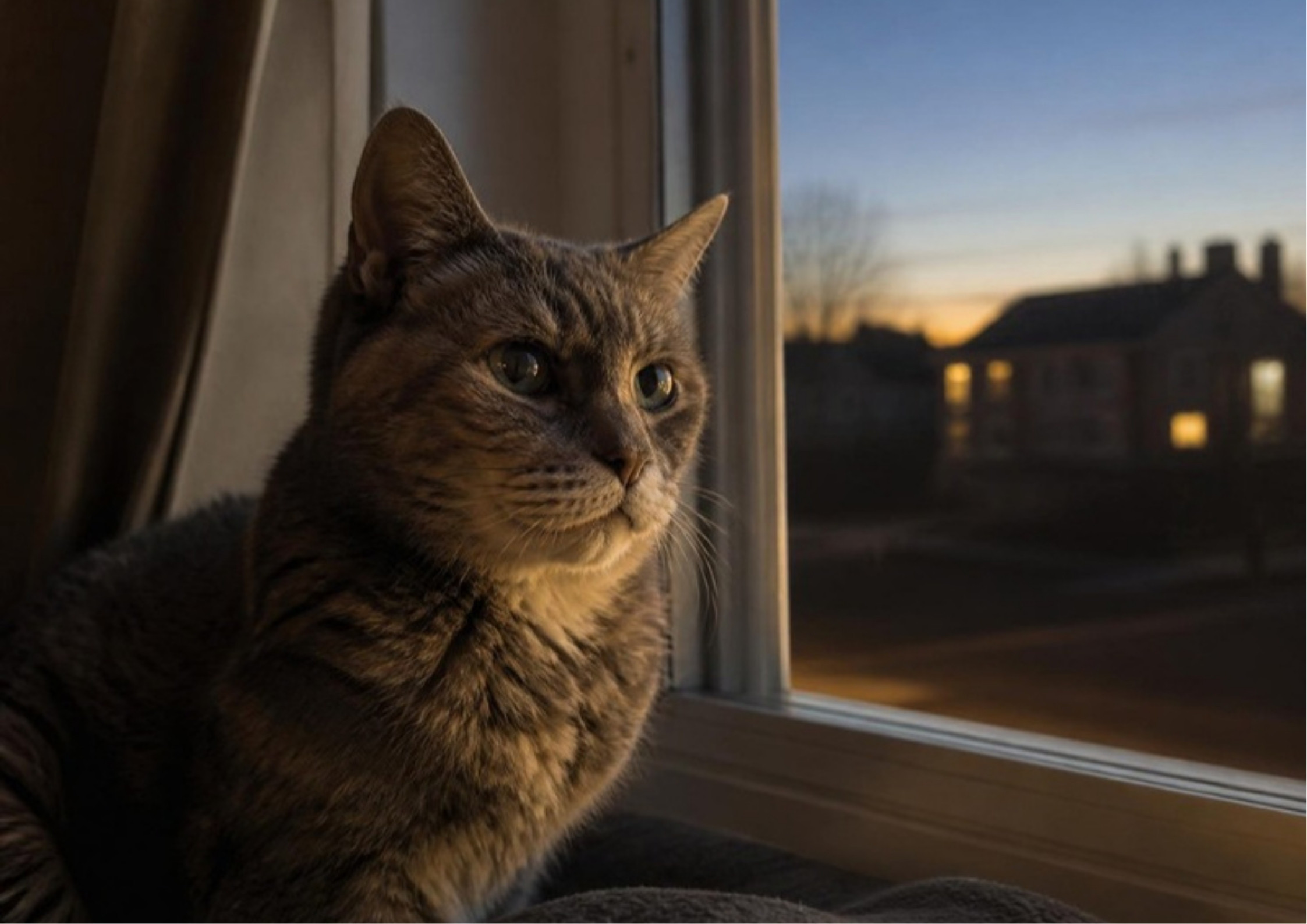
Meowing persistently at a closed door is usually a straightforward request: let me in, let me out, or come with me. Indoor-only cats that catch glimpses of the outdoors are especially prone to meowing at doors and windows.
4. Stress or a Change in Environment
A move, new furniture, a new pet or baby, or even rearranged litter boxes can unsettle a cat enough to trigger more vocalizing than usual. The meowing typically settles down as the cat adjusts, usually within a couple of weeks.
5. Boredom or Pent-Up Energy
Cats that don’t get enough physical or mental stimulation — especially young, high-energy cats — often “talk” more as an outlet. This is common in single-cat households where the cat relies entirely on a human for entertainment.
6. Aging and Cognitive Changes
Senior cats sometimes develop feline cognitive dysfunction, similar to dementia in humans, which can cause confused, loud meowing — often worse at night (sometimes called “night yowling”). Hearing loss in older cats also makes them meow louder without realizing it, since they can no longer gauge their own volume.
7. Pain or an Underlying Medical Condition
A sudden spike in meowing — especially paired with weight loss, increased thirst, restlessness, or a change in appetite — can point to conditions like hyperthyroidism, kidney disease, high blood pressure, or pain from arthritis or dental issues. These are common enough in middle-aged and senior cats that new, persistent meowing is one of the more reliable reasons to book a vet visit.
8. Breed Tendency
Some breeds are simply more vocal by nature — Siamese and related breeds are well known for being chatty and demanding conversation. If your cat has always been talkative since kittenhood with no other changes, it may just be personality rather than a problem to solve.
When Excessive Meowing Needs a Vet Visit
Book a vet appointment if increased meowing is sudden, paired with other symptoms (weight changes, litter box changes, lethargy, hiding), or happening in a senior cat with no clear behavioral trigger. Vets can rule out pain, thyroid issues, and cognitive decline — conditions that won’t resolve with behavioral fixes alone.
How to Reduce Excessive Meowing
- Don’t reward it: avoid feeding or giving attention the instant your cat meows — wait for a pause, then respond, so you’re not reinforcing the behavior.
- Stick to a feeding schedule: consistent meal times reduce food-driven meowing.
- Add enrichment: daily play sessions, puzzle feeders, and window perches burn off the energy behind boredom meowing.
- Keep a routine: predictable days reduce stress-driven vocalizing.
- Rule out medical causes first: if meowing is new or sudden, see a vet before assuming it’s behavioral.
Frequently Asked Questions
Why does my cat meow constantly at night?
Nighttime meowing is often linked to a cat’s naturally crepuscular activity pattern, boredom, or hunger before an overnight stretch. In senior cats, it’s also a common sign of cognitive dysfunction or hearing loss and is worth mentioning to your vet.
Should I ignore my cat when it meows?
Ignoring attention-seeking meows (once you’ve ruled out hunger, pain, or a litter box need) is one of the most effective ways to reduce the behavior over time, since responding — even negatively — can reinforce it.
Is it normal for meowing to suddenly increase?
A sudden increase is less likely to be “just personality” than a gradual one. It’s worth checking for an obvious trigger (new pet, schedule change) and, if none is obvious, scheduling a vet visit to rule out a medical cause.
For more on reading your cat’s day-to-day behavior and when symptoms need medical attention, see our cat health care guide.