
We independently research every product we recommend, drawing on real owner reviews, product specs, and vet-reviewed sources. If you buy through a link on this page, Catverdict may earn a small commission — this never affects our picks or costs you anything extra. Details in our affiliate disclosure.
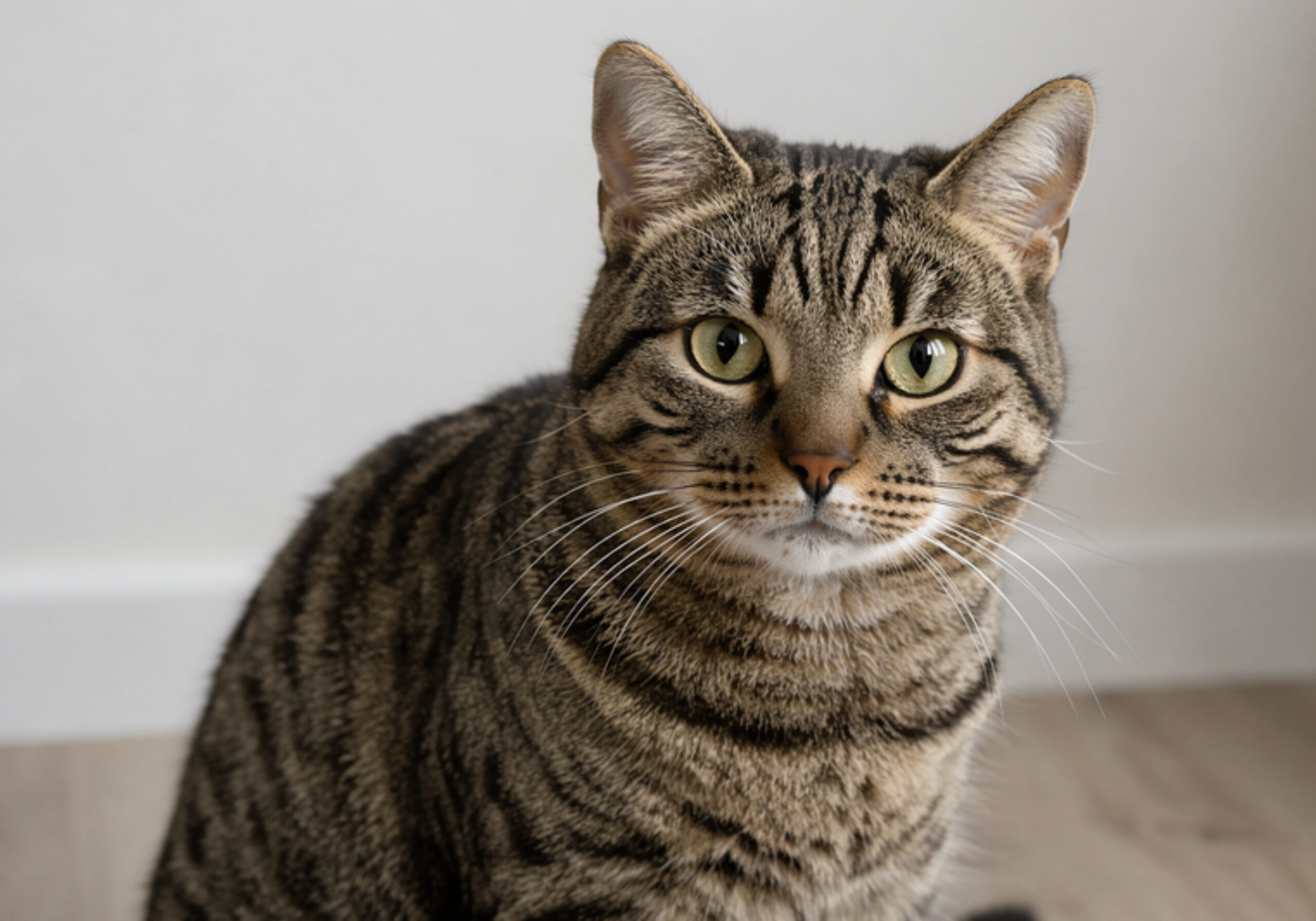
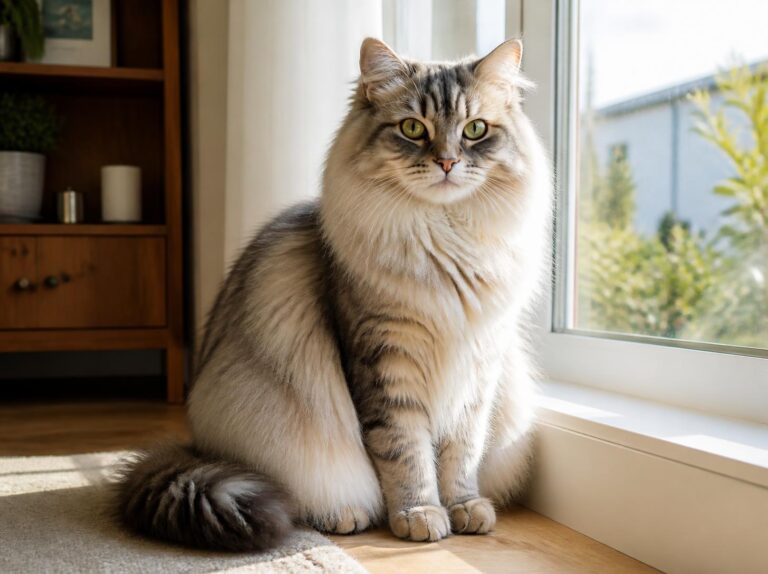
The brown tabby cat is the most common coat coloring in the domestic cat world — it’s the closest living pattern to the original wild tabby coat that every pet cat descended from. “Brown tabby” isn’t a breed; it’s a color and pattern combination that shows up across dozens of breeds and in countless mixed-breed cats. Here’s what actually makes a cat a brown tabby, the different patterns it can come in, which breeds wear it best, and what to expect in temperament, grooming, and cost.
Table of Contents
Brown Tabby Cat Overview
| Color/Pattern | Brown (black-based) tabby — the closest coloring to the wild ancestral cat |
| Caused By | Agouti gene + non-orange (black-based) pigment; pattern set by a separate gene |
| Common Patterns | Classic, mackerel, spotted, ticked |
| Common Breeds | Maine Coon, Abyssinian, American Shorthair, Norwegian Forest Cat, and many mixed-breed cats |
| Lifespan | 12–18 years (varies by breed) |
| Typical Price | $0–$150 (shelter) to $800–$2,000+ (purebred) |
What Makes a Cat a “Brown Tabby”? (The Genetics)
Every tabby cat carries the agouti gene, which bands each hair with alternating light and dark pigment rather than one flat color. “Brown tabby” specifically means that banding sits on top of black-based pigment (as opposed to the orange/red pigment that produces an orange tabby), giving the coat its warm brown-and-black striped or swirled look. Geneticists actually consider brown tabby the wild-type coloring — it’s genetically the closest pattern to the African wildcat that all domestic cats descended from, which is why it remains the single most common coat coloring in cats worldwide.
Brown Tabby Patterns: Classic, Mackerel, Spotted & Ticked
“Brown tabby” describes the color, while a separate gene decides which of four patterns sits on top of it:
| Pattern | What It Looks Like |
|---|---|
| Classic (blotched) | Bold, swirling “bullseye” patches on the sides — the most common brown tabby look |
| Mackerel | Narrow, parallel vertical stripes down the sides, like a fish skeleton |
| Spotted | Stripes broken up into distinct spots |
| Ticked | No body stripes at all — just banded, peppery fur, as seen on the Abyssinian |
All four share the same tabby “M” marking on the forehead, dark rings on the legs and tail, and the underlying agouti hair banding — only the body pattern changes.
Cat Breeds Commonly Seen as Brown Tabby
Because brown tabby is the ancestral wild-type coloring, it turns up in far more breeds than any other color:
- Maine Coon: Brown classic tabby is considered the breed’s signature, most iconic color.
- American Shorthair: Brown (silver) classic tabby is the breed’s best-known show coloring.
- Norwegian Forest Cat: Frequently seen in brown tabby, suited to the breed’s thick natural coat.
- Abyssinian: Carries the brown ticked-tabby pattern as its hallmark look. See our full cat breeds list for more profiles.
- Domestic shorthair/longhair: Brown tabby is by far the most common coloring seen in mixed-breed and shelter cats.
Personality & Temperament
Because brown tabby is a coloring rather than a breed, there’s no single personality tied to it — temperament comes down to the specific breed or the individual cat, not the coat. That said, popular owner surveys and anecdotal reports often describe tabby cats generally as easygoing and adaptable, though there’s no scientific evidence that coat color or pattern predicts behavior. A brown tabby Maine Coon will behave like a Maine Coon, and a brown tabby shelter cat will simply take after its own background.
Grooming & Shedding
Grooming needs track coat length and breed rather than color. Short-coated brown tabbies (American Shorthair, most domestic shorthairs) need only occasional brushing, while long-haired brown tabbies (Maine Coon, Norwegian Forest Cat) benefit from brushing two to three times a week to prevent matting, especially during spring and fall shedding season.
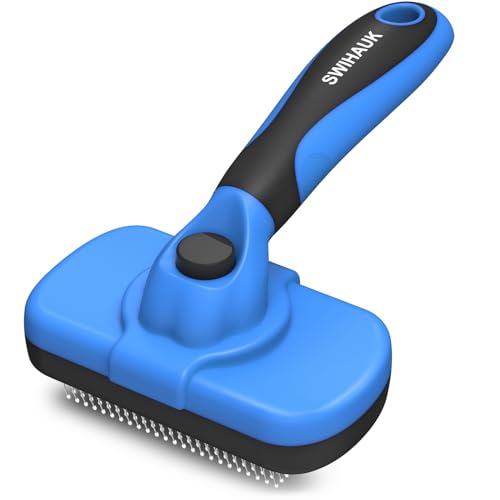
- 【Easy Desheding】: Swihauk self cleaning dog brush for long haired dogs with release bottom helps effortlessly reduce she…
- 【Safe Design】: Soft and protective plastic round head bristles creating a comfortable feeling while deshedding without h…
- 【Sturdy & Durable】: Premium stainless steel metal and compact design make our product sturdy and durable for long term u…
Health & Lifespan
The brown tabby coloring itself carries no known health implications — it’s purely cosmetic and unrelated to any genetic condition. Health outlook depends entirely on the individual breed: a brown tabby Maine Coon should be screened for the same conditions as any Maine Coon (such as hypertrophic cardiomyopathy), while a brown tabby domestic shorthair generally has few breed-specific concerns. See our cat health hub for general preventive care guidance by life stage.
Diet & Nutrition Needs
As with health, nutrition needs follow the breed rather than the coat color. Larger brown tabby breeds like the Maine Coon do well on a protein-rich diet that supports lean muscle during their slower growth to adulthood, while smaller or less active cats may do better on a standard maintenance formula. See our cat food reviews for options across life stages.
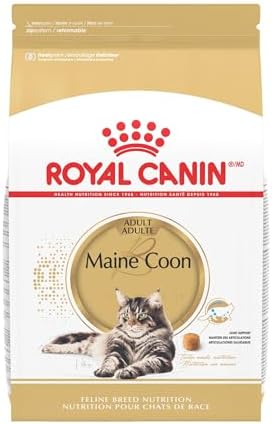
- FORMULATED FOR PUREBRED MAINE COON CATS: Royal Canin Maine Coon Cat Food Dry Formula is crafted to meet the nutritional …
- BONE AND JOINT: Omega-3 and omega-6 fatty acids support healthy bones and joints that can be strained by a large cat’s s…
- HEART HEALTHY CAT FOOD: An exclusive blend of heart-healthy nutrients like taurine, EPA and DHA helps promote good cardi…
How Much Does a Brown Tabby Cat Cost?
Because brown tabby is so common in shelters, adopting one typically costs $0–$150 in adoption fees. A purebred brown tabby kitten from a reputable breeder — a Maine Coon or American Shorthair, for example — usually runs $800–$2,000+ depending on the breed and lineage. Since the color itself is common rather than rare, it doesn’t carry a price premium the way an unusual color might.
Brown Tabby vs. Orange Tabby vs. Grey Tabby
These three are the most commonly confused tabby colorings:
| Brown Tabby | Orange Tabby | Grey Tabby | |
|---|---|---|---|
| Base Pigment | Black-based (non-orange) | Orange/red (O gene) | Black-based, diluted to blue-grey |
| Rarity | Most common coloring overall | Common, more often male | Less common than brown |
| Classic Look | Warm brown with black markings | Ginger/orange with darker orange markings | Cool grey with charcoal markings |
All three can appear in the same classic, mackerel, spotted, or ticked patterns — the difference is purely the underlying pigment color and its dilution, not the pattern itself.
Is a Brown Tabby Right for You?
If you simply like the classic tabby look, a brown tabby domestic shorthair or longhair from a shelter is the easiest and most affordable route, with huge availability and no breed-specific health screening to worry about. If you want a specific documented temperament and size — the large, sociable Maine Coon or the athletic Abyssinian, for example — a purebred brown tabby is worth the higher price and the wait for a reputable breeder.
Frequently Asked Questions
Are brown tabby cats more common in males or females?
Brown tabby coloring itself isn’t sex-linked the way orange coloring is, so it appears roughly equally in male and female cats.
Is brown tabby a breed?
No. Brown tabby is a coat color and pattern combination that appears across many breeds and mixed-breed cats — it’s not a breed on its own.
Do brown tabby cats always have the “M” marking?
Nearly always — the “M”-shaped marking on the forehead is one of the most consistent features across all tabby cats, regardless of color or pattern variation.



One Comment