We independently research every product we recommend, drawing on real owner reviews, product specs, and vet-reviewed sources. If you buy through a link on this page, Catverdict may earn a small commission — this never affects our picks or costs you anything extra. Details in our affiliate disclosure
The orange tabby cat is one of the most recognizable — and most searched-for — cat “types” online, but like tortoiseshell and calico, it isn’t a breed at all. It’s a coat color caused by a single gene, and it comes with some of the most persistent myths in the cat world, from “orange cats are always male” to “orange cats are the friendliest.” Here’s what’s actually true: the genetics behind the color, why most orange cats are male, the different tabby patterns you’ll see, and what to expect if you bring one home.
Table of Contents
Orange Tabby Cat Overview
| Coat | Orange/ginger base, almost always with visible tabby striping |
| Not a Breed | A color pattern found across many breeds and mixed-breed cats |
| Sex Ratio | Roughly 80% male, 20% female |
| Personality Reputation | Widely described as laid-back and sociable (anecdotal, not scientifically confirmed) |
| Lifespan | 12–18 years, depending on underlying breed and health |
| Price | Often free to adopt; pedigreed orange cats cost breed-standard prices |
What Makes a Cat Orange? (The Genetics)
An orange tabby cat gets its color from the orange gene, which sits on the X chromosome — the same gene responsible for tortoiseshell and calico coloring. The orange allele is dominant over non-orange, which means a cat only needs one copy on a single X chromosome to show orange fur. Because males have one X chromosome (XY), a single orange allele is enough to make them fully orange. Females have two X chromosomes (XX), so they need two copies of the orange allele to be solid orange; with just one copy, the orange and non-orange patches show up together as tortoiseshell or calico instead. That’s the genetic reason roughly 4 in 5 orange cats are male.
There’s a separate reason almost every orange cat shows tabby striping, even ones that look “solid” at a glance: the gene that normally suppresses tabby markings (producing a solid-colored coat) doesn’t fully work on orange pigment. So while a black cat can be genetically tabby but look solid black, an orange cat with the same non-tabby gene will usually still show faint striping, especially on the face, legs, and tail.
Appearance & Tabby Patterns
“Tabby” refers to the striping pattern, not the color, and orange cats can show any of the four recognized tabby patterns:
- Classic (blotched): Bold, swirling patches, often described as a “bullseye” on each side
- Mackerel: Narrow, parallel stripes running down the sides, the most common tabby pattern
- Spotted: Spots instead of stripes, sometimes a broken-up mackerel pattern
- Ticked: Each hair banded with color, giving an overall speckled look with little visible striping on the body
Shade also varies widely, from pale cream to deep red-orange, and an orange tabby can carry a separate white-spotting gene that adds white patches on the chest, paws, or belly — commonly called an “orange and white cat.” Because orange tabby coloring can appear on a Domestic Shorthair, a Persian, a Maine Coon, or dozens of other breeds, the underlying breed — not the color — determines coat length, body type, and size.

Personality: Are Orange Cats Really Friendlier?
Orange cats have a strong internet reputation for being extra friendly, goofy, or “not the sharpest” — a stereotype that’s shown up repeatedly in informal owner surveys and online polls. There’s no peer-reviewed study that ties the orange color gene itself to a specific personality trait, and most veterinary behaviorists point out that personality is shaped far more by breed, early socialization, and individual temperament than by coat color. The stereotype persists mainly because orange coloring is common and visually distinctive, which makes orange cats more memorable in anecdotes — not because the gene for orange fur also codes for behavior.
Grooming & Care
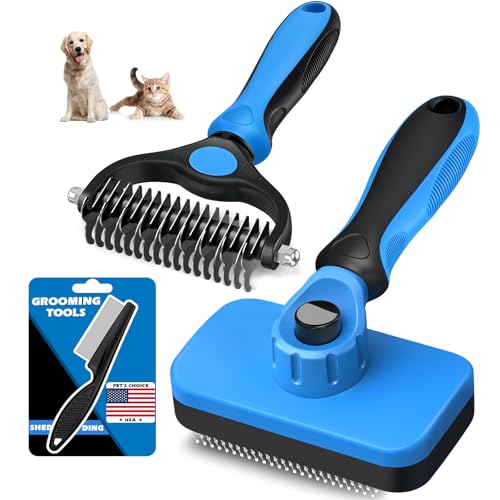
Grooming needs come down to coat length, not color. A short-haired orange tabby (the most common type, usually a Domestic Shorthair) needs only weekly brushing to control shedding. A long-haired orange tabby — a Maine Coon or Persian mix, for example — needs brushing several times a week to prevent mats and manage a heavier shed. Regular brushing also cuts down on hairballs, especially during seasonal coat changes.
Health & Lifespan
Orange coloring itself carries no known health implications — health and lifespan depend on the cat’s underlying breed, weight, and care rather than its color. Mixed-breed orange tabbies are generally hardy, with a typical lifespan of 12–18 years when kept at a healthy weight with routine veterinary care. See our complete guide to cat health care for preventive care basics that apply to every cat, regardless of color or breed.
Diet & Nutrition Needs
Like grooming, diet needs depend on your orange tabby’s breed, age, and activity level rather than its coloring. A quality, age-appropriate food is the main thing to get right; our best cat food guide breaks down vet-reviewed picks for every life stage if you’re comparing specific brands.


How Much Does an Orange Tabby Cat Cost?
Because orange tabby is a color, not a breed, most orange tabby cats are available for free or a modest adoption fee (often under $150) through shelters and rescues, since this coloring is common in the general cat population. If you specifically want an orange-colored cat of a recognized breed — a red Persian or a red Maine Coon, for instance — expect to pay that breed’s standard price, typically $800–$2,500+ from a reputable breeder.
Orange Tabby vs. Classic Tabby vs. Calico
These three terms get mixed up constantly because they all involve tabby patterning or the same underlying orange gene. Here’s how they compare:
| Pattern | Base Color | Sex Ratio | White Patches? |
|---|---|---|---|
| Orange Tabby | Orange/ginger with stripes | ~80% male | Sometimes (orange & white) |
| Classic (Brown/Grey) Tabby | Brown, grey, or silver with stripes | Roughly even | Sometimes |
| Calico | Orange, black, and white patches | ~99.9% female | Always (by definition) |
In short: orange tabby and classic/grey tabby describe the striping pattern on two different base colors, while calico layers the orange gene with a separate white-spotting gene and shows almost no males at all — the mirror image of the orange tabby’s male skew. For more on the related tortoiseshell/calico genetics, see our tortoiseshell cat guide.
Is an Orange Tabby Cat Right for You?
If you’re drawn to the look of an orange tabby cat, you’re choosing a color rather than a guaranteed personality or care routine — the specific breed or mix underneath determines size, coat care, and temperament. The upside is that orange tabbies are common and widely available through shelters, so you can usually meet several before deciding, rather than waiting on a specific pedigreed litter.
Frequently Asked Questions
Are orange tabby cats always male?
No, but most are — roughly 80% of orange cats are male, because the orange gene is on the X chromosome and males only need one copy to be fully orange, while females need two.
Are orange cats really friendlier than other cats?
It’s a popular stereotype, but there’s no scientific evidence linking the orange color gene to personality. Temperament comes down to breed, socialization, and the individual cat.
Are orange tabby cats rare?
No — orange tabbies are common in the general cat population. Female orange cats are the less common half of the pair, since they need two copies of the orange gene to be fully orange.